

By Content team at Reyal Design, Reyal Design
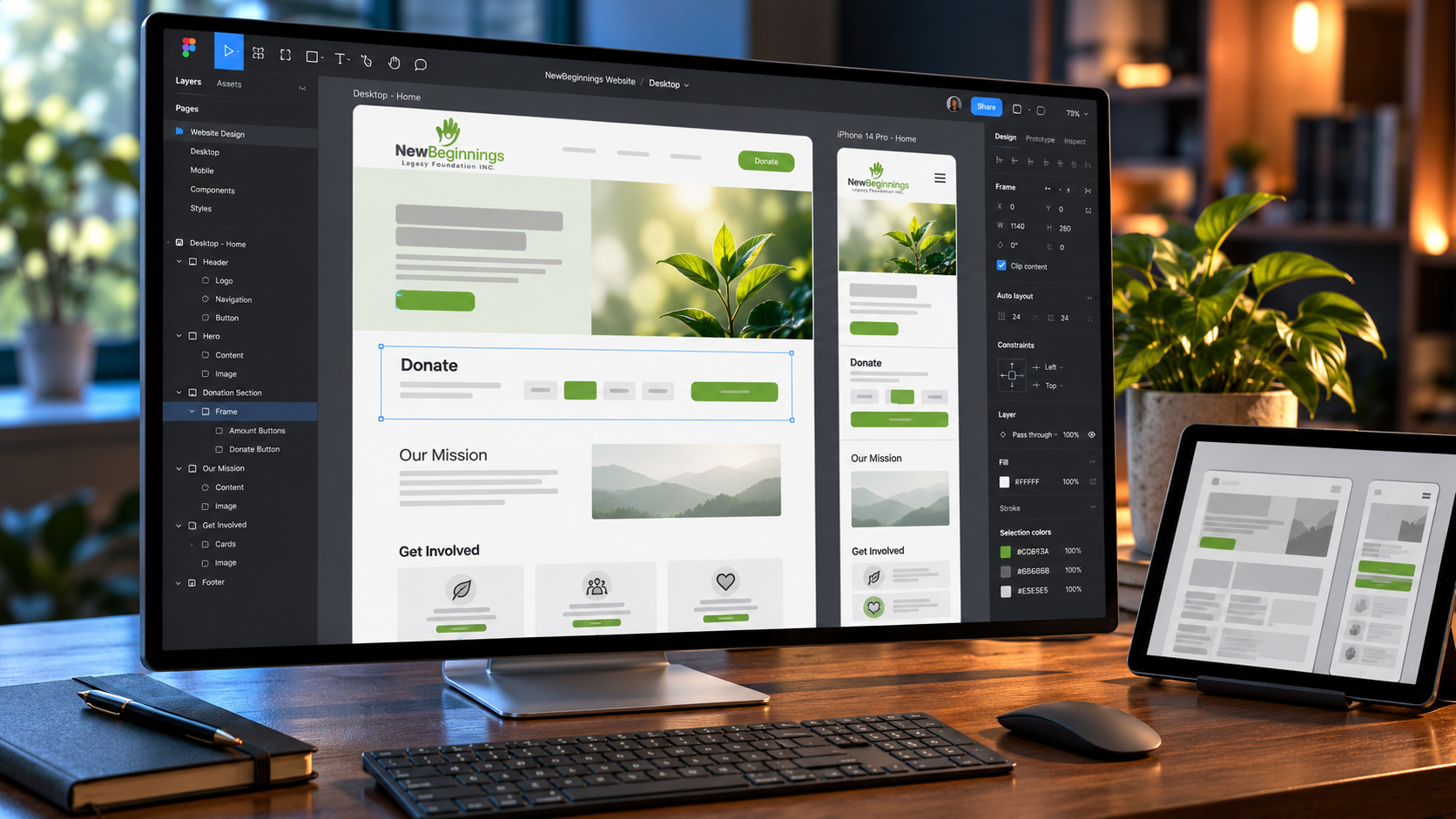
Effective web design is critical for nonprofits looking to elevate donor engagement and streamline user experience. By optimizing websites for navigation and clarity, nonprofits can significantly influence their fundraising success and donor retention rates. This article will delve into best practices in nonprofit web design tailored to maximize donor engagement, highlighting the key relationships between user experience, branding, and accessibility. Readers will understand essential website features that foster trust and functionality while exploring practical strategies to optimize donation pages.
Nonprofits often face the challenge of connecting with potential donors who may require a straightforward and seamless online experience. Addressing these concerns can turn potential donors into active supporters. This article will cover aspects such as the importance of user experience in donor engagement, optimization techniques for donation pages, and how tailoring branding can strengthen online trust. Lastly, we will explore the benefits of custom web design consultations that can address specific donor engagement needs.
How Can Nonprofit Website User Experience Improve Donor Engagement?
User experience (UX) plays a crucial role in nonprofit web design, directly impacting how effectively organizations can engage with their donors. A well-designed website helps reduce confusion and frustration, leading to higher conversion rates on donation pages. When users enjoy intuitive navigation and clear calls to action, they are more inclined to support a cause.
One key strategy for enhancing UX is ensuring that the donation process is straightforward. Clear pathways and accessible information support seamless transactions and contribute to donor retention. By investing in high-quality website design, nonprofits can foster a positive user experience that encourages visitors to return and contribute again.
What Are Key Elements of Effective Donation Page Design?
Effective donation pages contain several essential elements that significantly enhance user interaction and overall design functionality. The following features should be prioritized:
Clear Call to Action (CTA): A prominent and compelling CTA encourages visitors to take immediate action, effectively guiding them toward making a donation.
Trust Signals: Incorporating elements such as security badges, testimonials, and certifications can build credibility and reassure donors about their contributions.
Mobile Optimization: With an increasing number of users accessing websites from mobile devices, ensuring a responsive design is essential for reaching broader audiences.
These design aspects are pivotal in converting visitors into donors and ensuring a seamless experience for users navigating the site.
How Does Clear User Flow Boost Donation Conversions?
A clear user flow is critical for improving donation conversions on nonprofit websites. When users can navigate seamlessly without encountering barriers, they are more likely to complete their donations. Friction points, such as confusing layouts or misleading links, can lead to abandoned transactions.
To optimize user flow, nonprofits can implement strategic navigation elements such as flowcharts or breadcrumbs, guiding users step-by-step through the donation process. By simplifying their experience, organizations can greatly enhance user satisfaction and boost conversion rates.
What Donation Page Optimization Techniques Maximize Online Fundraising?
Optimizing donation pages involves a variety of techniques aimed at maximizing fundraising efforts while enhancing the user experience. Employing proven strategies can make a considerable difference in donation rates and overall engagement.
Key optimization techniques include:
A/B Testing: Regularly testing different donation page layouts or CTAs allows nonprofits to identify the most effective strategies that resonate with their target audience.
Social Proof: Displaying donations made by others or highlighting campaign progress can motivate potential donors to contribute, leveraging the psychology of community.
Engaging Content: Incorporating stories or visuals that connect emotionally with visitors can encourage them to support the cause and enhance their connection to the mission.
These strategies create a more engaging and motivating environment for potential donors, leading to increased conversion rates.
Which Call to Action Strategies Increase Donor Participation?
Effective call to action strategies are vital for boosting donor participation. The best practices include:
Placement: Ensuring that the CTA is prominently visible on the donation page, preferably above the fold, increases the likelihood of engagement.
Compelling Language: The wording of the CTA should resonate emotionally, encouraging users with phrases like “Join Us in Making a Difference.”
Urgency Creation: Using language that emphasizes time-sensitive opportunities can create a sense of urgency, prompting immediate action.
By utilizing these elements, nonprofits can enhance their effectiveness in motivating visitors to donate.
How Do Mobile-First and Accessibility Design Impact Donation Rates?
Mobile-first design and accessibility considerations are rapidly becoming essential elements in nonprofit web design. An increasing number of users prefer mobile devices for online transactions, making it crucial for nonprofits to deliver a seamless mobile experience.
Mobile-first design focuses on creating the site with mobile users in mind first, ensuring that the site is fully functional regardless of the device. Simultaneously, adhering to accessibility standards helps organizations cater to all potential donors, including those with disabilities. Implementing features such as text resizing, color contrast adjustments, and screen reader compatibility can significantly enhance usability and broaden the potential donor base.
Research shows that nonprofits that invest in mobile and accessibility design see improved user engagement and increased donation rates. By prioritizing these aspects in web design, organizations can create a more inclusive, effective online presence.
Prioritizing universal design helps ensure that no potential supporters are excluded from your digital efforts.
Improving Nonprofit Website Accessibility for All Donors
The Web transformed the environment in which Nonprofit Organizations (NPOs) work. NPOs can now reach donors and recipients inexpensively through cyberspace. They may, however, be missing, a large, untapped clientele–people with disabilities who want to donate, volunteer, or access services of a NPO. If NPO homepages are not accessible to the growing population of people with disabilities, they may not be doing their job.
Charity begins at the homepage: Providing access to the Web for people with disabilities, E Loiacono, 2004
How Can Nonprofit Branding Strengthen Online Donor Trust and Identity?
Branding plays a significant role in establishing an emotional connection with donors and fostering trust in the organization. To effectively communicate their mission and values, nonprofits must develop a strong visual identity complemented by a cohesive messaging strategy.
A well-considered brand identity can effectively convey credibility and professionalism, instilling confidence in potential donors. This connection is crucial, as it can significantly influence their likelihood of contributing.
Nonprofit branding should convey the organization’s mission and values while connecting emotionally with donors through engaging narratives that resonate with their audience.
What Visual Identity Tips Boost Credibility on Charity Websites?
Nonprofits should focus on several visual identity tips that amplify their credibility on charity websites:
Consistent Color Palette: Utilizing a harmonized color scheme reinforces brand recognition and ensures a visually appealing experience.
High-Quality Imagery: Professional images that reflect the organization’s mission can build emotional connections and trust with visitors.
Legible Typography: Choosing clear, easy-to-read fonts ensures that critical information is accessible, enhancing user experience.
Implementing these tips will significantly contribute to a nonprofit’s online presence and the perception of legitimacy.
How Does Storytelling Integrate Into Nonprofit Web Design?
Storytelling is a powerful tool that nonprofits can leverage in web design to engage visitors emotionally. Integrating compelling stories about impact and change can enhance user experience and drive donor participation.
Organizations can incorporate storytelling elements through:
Featured Stories: Highlighting successful cases or testimonials prominently on the homepage encourages visitors to connect with the cause on a personal level.
Visual Storytelling: Incorporating videos or infographics that illustrate the organization’s mission can effectively communicate complex ideas succinctly.
Interactive Elements: Incorporating interactive features, such as donation progress trackers, helps create a narrative around contributions, illustrating collective impact.
These storytelling strategies emphasize the importance of connection and community engagement, which can inspire potential donors.
Strategically weaving impact-driven narratives into your web architecture can transform passive browsers into dedicated stakeholders.
Leveraging Digital Storytelling to Boost Donor Engagement
Digital storytelling has emerged as a powerful tool in nonprofit marketing, reshaping how organizations engage donors, communicate their mission, and drive action. This thesis explores the impact of digital storytelling in nonprofit marketing, analyzing how nonprofit organizations leverage various digital platforms – websites, email marketing, social media—and frame their messages to enhance donor engagement. The Impact of Digital Storytelling in Nonprofit Marketing: Increasing Donor Engagement, 2025
Why Are Accessibility and Mobile Optimization Critical for Nonprofit Websites?
Accessibility and mobile optimization are not just optional; they are critical for the success of nonprofit websites. Ensuring the site is accessible enables organizations to reach a wider audience, while mobile optimization is essential given the increasing reliance on mobile devices for online engagement.
Nonprofits that prioritize these factors are better positioned to convert visitors into donors by creating an inclusive and efficient browsing experience. This includes adherence to established accessibility standards like the Web Content Accessibility Guidelines (WCAG).
Nonprofits must stay current with trends in web design to ensure their sites support all users, fostering an environment where everyone can contribute.
Which Accessibility Standards Improve Donor Retention?
Adhering to accessibility standards can significantly influence donor retention rates. Notable standards include:
Web Content Accessibility Guidelines (WCAG): These guidelines help ensure that content is perceivable, operable, understandable, and robust for individuals with disabilities.
Assistive Technology Integration: Ensuring compatibility with screen readers and other assistive tools enhances accessibility and user experience for visually impaired individuals.
User Feedback: Regularly soliciting feedback from users with disabilities can guide improvements and enhancements, ensuring an inclusive environment.
By implementing these accessibility practices, nonprofits can enhance user satisfaction, leading to increased donor retention.
How Does Mobile Giving Growth Affect Donation Website Usability?
The growth of mobile giving poses significant implications for the usability of donation websites. Statistics indicate that mobile donations have steadily increased over the past few years, highlighting the need for an optimized mobile experience.
Nonprofits must consider how users interact with their sites on mobile devices. Factors to consider include:
Fast Load Times: Mobile users expect quick access, so optimizing site performance is crucial.
Simplified Navigation: Clear and concise navigation tailored for smaller screens enhances the user experience.
Streamlined Donation Process: Reducing the number of steps required to donate can improve conversion rates significantly.
By adapting web design to meet the needs of mobile users, nonprofits can significantly enhance usability and overall donor satisfaction.
How Do Custom Consultations and Development Solutions Enhance Nonprofit Web Design?
Custom consultations and development solutions provide nonprofits with tailored strategies that align with their specific goals and audience needs. By understanding the unique challenges and opportunities each organization faces, web design professionals can craft effective web experiences that enhance donor engagement.
Investing in custom consultations helps nonprofits explore advanced design techniques and solutions that resonate with their target audience, creating a more impactful online presence.
What Are the Benefits of Scheduling a Design Consultation?
Scheduling a design consultation can yield several benefits for nonprofits, including:
Personalized Strategies: Tailored solutions enable organizations to align their website features with their mission and goals effectively.
User-Centric Design Development: Involving user feedback in the design process can result in a more intuitive and engaging user experience.
Feedback Integration: Regular updates based on user responses ensure ongoing improvements in design and functionality.
These factors contribute to the effective development of nonprofit websites, ultimately enhancing donor engagement and trust.
How Can Tailored Development Address Specific Donor Engagement Needs?
Custom development solutions address specific donor engagement needs by identifying and integrating unique features that make the donation process smoother. For instance, tailored functionalities may include:
Donation Forms: Customizing donation forms that align with the organization’s mission can enhance user interaction.
Recurring Donation Options: Offering tailored options for recurring donations can help increase lifetime donor value.
Custom Reports: Providing tailored reporting tools allows organizations to track their fundraising efforts closely, optimizing future campaigns.
By addressing these specific engagement needs, nonprofits can create a more meaningful connection with their donors, encouraging ongoing support and contributions.