

By Content team at Reyal Design, Reyal Design
In the competitive landscape of the restaurant industry, effective branding strategies are critical for growth and customer retention. Understanding how to establish a strong restaurant brand identity can significantly influence consumer perceptions and drive sales. Restaurants that prioritize branding not only enhance customer loyalty but also create lasting impressions that encourage repeat visits. This article delves deeply into key branding strategies specific to the restaurant sector, exploring the essential elements of brand identity, sensory branding techniques, digital dining touchpoints, community engagement—especially within South Florida’s vibrant market—and innovative customer engagement approaches. By addressing these topics, restaurants can unlock new avenues for growth and develop compelling connections with their clientele through a comprehensive restaurant marketing strategy.
How Can Establishing a Strong Restaurant Brand Identity Boost Business Growth?
Establishing a robust restaurant brand identity plays a crucial role in differentiating a restaurant from competitors, ultimately leading to business growth. A clear and memorable brand identity ensures that customers can recognize and recall the restaurant easily, enhancing their likelihood to choose it over other dining options. A well-defined brand identity fosters a sense of trust and credibility among consumers, contributing to their emotional connection with the brand. By focusing on this identity, restaurants can convey their unique value proposition and resonate with target audiences more effectively.
What Are the Key Elements of Successful Restaurant Brand Identity?
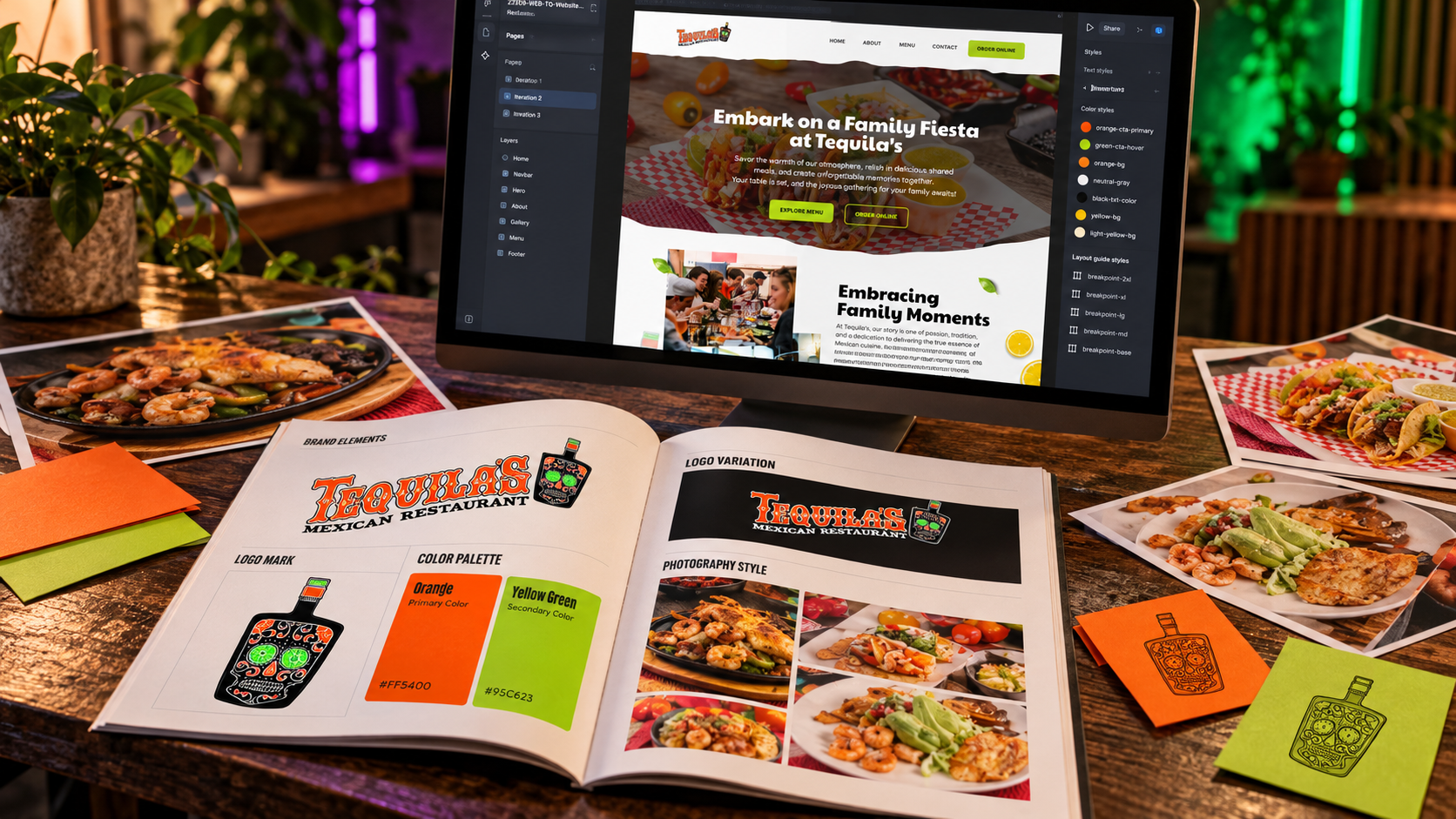
Successful restaurant brand identity comprises several key elements that collectively contribute to a cohesive image. These include visual identity components such as logos, color schemes, and typography that create a strong first impression. Additionally, consistent messaging across all communication channels reinforces brand voice and promotes recognition. Beyond the visual and messaging aspects, sensory branding—incorporating menu engineering, lighting, spatial acoustics, and packaging design—plays a vital role in shaping customers’ multi-sensory experience and solidifying brand impressions. Customer connection is paramount; engaging stories or relatable themes can endear a brand to its audience, fostering loyalty and enhancing brand perception.
Research suggests that integrating cultural narratives and traditions into these identity elements is essential for maintaining a competitive edge in a globalized market.
Building Strong Restaurant Brand Identity Through Cultural Strategy The relevance of this research stems from the growing importance of cultural codes in restaurant marketing, where intercultural interaction is not only an aesthetic component but also a substantive foundation for shaping brand identity. In the globalised gastronomic environment, models capable of harmonising the cultural meanings of different traditions with the requirements of sustainable development acquire particular significance, forming a necessary basis for competitiveness in the restaurant industry. Management of cultural codes in restaurant branding at the intersection of ukrainian and japanese traditions, 2025
Why Is Consistent Visual and Sensory Identity Crucial in Hospitality Branding?
Consistent visual identity significantly influences customer behavior in the hospitality industry. Logos, color palettes, and design elements must align with the restaurant’s brand values to reinforce authenticity. A strong visual identity aids in customer recognition, helping the brand stand out in a crowded market. Complementing visual identity with sensory branding elements—such as tailored menu layouts that highlight signature dishes, ambient lighting that complements the brand mood, carefully designed spatial acoustics to foster conversation, and unique packaging that reflects brand personality—deepens the customer’s emotional engagement. Restaurants that maintain visual and sensory consistency demonstrate professionalism and reliability, which can greatly enhance customer loyalty. Noteworthy examples in the industry illustrate how maintaining a uniform design language and sensory environment has led to substantial success in customer retention and brand recall.
Which Digital Branding Strategies Enhance Hospitality Marketing for Restaurants?
Digital branding strategies have become essential in modern hospitality marketing for restaurants. The effective use of online platforms allows restaurants to engage with potential customers, enhancing their brand presence and expanding reach. Strategies include leveraging social media, optimizing search engine visibility, digital dining touchpoints such as seamless online ordering UX, Instagrammable aesthetics, and loyalty programs designed to increase repeat business. Employing these strategies as part of a cohesive restaurant marketing strategy enables restaurants to stand out and grow sustainably in the digital era.
How Does Social Media Drive Restaurant Brand Positioning and Loyalty?
Social media platforms serve as powerful tools in defining a restaurant’s brand positioning and fostering loyalty among consumers. By providing an interactive space to communicate with customers, restaurants can share updates, gather feedback, and promote special events, thereby strengthening customer connections. Platforms such as Instagram and Facebook facilitate visually appealing content that showcases the restaurant’s atmosphere, dishes, and unique attributes, which in turn drives customer engagement and brand loyalty. Designing Instagrammable aesthetics—photogenic plating, branded décor, and creative backdrops—amplifies shareability and social proof, key drivers of effective branding strategies for growth. Analytics from social media help restaurants evaluate their strategies and adapt to changing preferences.
As competition increases, businesses are finding that leveraging social media effectively is a key driver for long-term customer loyalty and engagement.
Social Media Marketing Strategies for Restaurant Customer Engagement industry is characterized by a highly competitive environment and a growing reliance on social media for consumer engagement and marketing. The young, technologically adept The role of social media marketing in improving customer loyalty in the fast-food restaurant landscape of Jordan, C Tanova, 2026
What Digital Tools Optimize Restaurant Marketing and Customer Engagement?
A variety of digital tools can significantly optimize restaurant marketing efforts and enhance customer engagement. Customer relationship management (CRM) systems help track customer preferences and behaviors, enabling personalized marketing strategies. Email marketing platforms allow for targeted promotions and updates, keeping the brand in customers’ minds. Online ordering platforms with intuitive user experience design reduce friction and increase conversion rates. Loyalty apps or integrated programs incentivize repeat visits through rewards, personalized offers, and gamification. Additionally, analytics tools provide insights into customer engagement and marketing effectiveness, allowing for data-driven decisions that refine branding strategies and improve customer experiences.
How Do Customer Engagement and Loyalty Programs Strengthen Restaurant Brands?
Customer engagement strategies and loyalty programs are instrumental in fortifying restaurant brands. These initiatives not only foster strong customer relationships but also encourage repeat patronage, which is essential for sustained business growth. By implementing effective loyalty programs—especially those integrated through digital platforms—restaurants can incentivize return visits and enhance customer lifetime value. Engaging customers across multiple touchpoints, including in-person experiences and digital interactions, strengthens overall brand affinity.
Empirical evidence further demonstrates that content-driven marketing serves as a foundational pillar for boosting customer engagement and subsequent retention rates.
Leveraging Digital Content Marketing to Drive Restaurant Growth and Retention The results of this study indicate that content marketing has a significant effect on customer retention, customer marketing has a significant effect on customer engagement, customer engagement has a significant effect on customer retention and content marketing has a significant effect on customer retention through customers engagement as a mediating variable. The Effect of Instagram Content Marketing on Customer Retention With Customer Engagement As A Mediation Variable in Panties Pizza Restaurant Padang, MR Linda, 2022
What Are Effective Brand Loyalty Strategies in the Hospitality Industry?
Effective brand loyalty strategies in the hospitality sector involve value-based approaches that resonate with customer needs and preferences. Initiatives may include offering exclusive discounts, benefits for frequent diners, and personalized experiences that cater to individual tastes. By fostering community engagement through interactive events, local partnerships, and involvement in South Florida’s diverse cultural scene, restaurants can deepen connections with their clientele, driving brand loyalty. Tailoring loyalty programs to reflect local preferences and seasonal events creates stronger emotional ties and repeat customer habits.
How Can Customer Experience Design Improve Restaurant Retention Rates?
Customer experience design plays a pivotal role in improving restaurant retention rates. The overall dining experience, from the ambiance to the service quality, significantly impacts customers’ perceptions. Key aspects include creating an inviting atmosphere, attentive service, and a seamless ordering process that enhances customer satisfaction. Incorporating sensory branding techniques such as curated lighting that sets mood, spatial acoustics designed to amplify comfortable conversation levels, and thoughtfully designed packaging for takeout meals further elevate the dining experience. Through continuous evaluation and adaptation based on customer feedback, restaurants can refine their service delivery and consistently meet or exceed customer expectations.
How Can Local Community Engagement Impact Hospitality Branding in South Florida?
South Florida’s dynamic and diverse community presents unique opportunities for hospitality branding through localized marketing strategies. Engaging with the community—such as participating in local events, collaborating with regional artists or producers, and supporting neighborhood initiatives—enhances brand authenticity and relevance. Leveraging local cultural narratives and seasonal festivities enables restaurants to create tailored experiences that resonate deeply with regional clientele. Effective branding strategies for growth in this market require balancing global trends with local flavors and values, thereby building strong brand affinity and expanding customer bases.
What Are the Emerging Trends in Restaurant Marketing for 2026 and Beyond?
As the restaurant industry evolves, new marketing trends are expected to influence branding strategies significantly in 2026 and beyond. These emerging trends encompass technology adoption, commitment to sustainability, and evolving consumer behaviors that necessitate innovative approaches.
How Are Data-Driven Branding Strategies Impacting Restaurant Growth?
Data-driven branding strategies are reshaping how restaurants approach marketing and brand development. By leveraging data analytics, restaurants can gain valuable insights into customer preferences, behavior patterns, and emerging trends. This allows for tailored marketing strategies that effectively target specific demographics, enhancing brand growth. Real-time adjustments based on data analysis enable restaurants to remain agile in a competitive marketplace, ultimately leading to improved customer engagement and satisfaction.
Why Is Integrating Digital Marketing with Branding Key for Future Success?
Integrating digital marketing with branding strategies is vital for future growth and success in the restaurant sector. A cohesive approach that aligns branding with online marketing efforts ensures a consistent message across platforms, facilitating stronger customer recognition. Best practices include cross-channel promotion and maintaining a uniform brand image, which can significantly enhance customer engagement and loyalty. As consumers increasingly rely on digital channels for dining decisions, this integrated strategy becomes essential for reaching and retaining customers effectively.
How Can Case Studies and Success Stories Illustrate Effective Restaurant Branding?
Examining case studies and success stories offers valuable insights into effective restaurant branding strategies. These real-world applications highlight various approaches and their outcomes, allowing others to learn from both successes and failures. By analyzing distinct strategies employed by leading restaurants, valuable lessons can be gleaned for potential implementation.
What Do Recent Hospitality Marketing Reports Reveal About Branding ROI?
Recent reports on hospitality marketing indicate that a well-executed brand strategy can yield substantial returns on investment (ROI). Financial analyzes show that restaurants with strong branding often see improved customer engagement metrics, enhanced visibility, and increased revenue streams. By investing in branding initiatives, restaurants position themselves for greater market success and customer loyalty.
How Have Leading Restaurants Leveraged Strategic Brand Development?
Leading restaurants have successfully leveraged strategic brand development by focusing on key differentiators that set them apart in the market. Strategies may include unique culinary experiences, exceptional customer service, authentic storytelling, and sensory branding elements that resonate with target audiences. By highlighting their strengths and aligning them with customer values, these restaurants can cultivate a loyal customer base and enhance their competitive edge.
Why Book a Restaurant Branding Consultation with Reyal Design?
Booking a restaurant branding consultation with Reyal Design can provide invaluable insights and tailored strategies designed to enhance brand identity and market reach. Our agency specializes in creating impactful branding solutions for sectors including restaurants and hospitality, ensuring effective messaging that resonates with target audiences.
What Personalized Branding Solutions Does Reyal Design Offer for Hospitality Businesses?
Reyal Design offers personalized branding solutions tailored specifically for hospitality businesses. Our services include comprehensive brand identity creation, visual and sensory design enhancement, and customer engagement strategies that align with our clients’ unique visions. By focusing on individual business needs and incorporating cutting-edge digital and sensory branding approaches, we help restaurants craft compelling narratives and establish a strong brand presence within increasingly competitive marketplaces such as South Florida.
How Does Professional Consultation Boost Restaurant Customer Reach and Growth?
Professional branding consultation can significantly amplify a restaurant’s customer reach and growth potential. Expert insights into branding strategies, sensory design, digital marketing integration, and community engagement enable restaurants to refine their approaches and better connect with target audiences. Statistics reveal that restaurants leveraging professional branding services experience higher engagement rates and improved customer satisfaction, driving business growth over time.