When people think about opening a restaurant, they usually start with the menu. The recipes. The ingredients. The dishes they want to serve. But here’s the reality:
Great food alone doesn’t build a great restaurant brand.
Before customers even try your food, they’ve already formed an opinion about your business through your:
Name
Logo
Interior Design
Social Media
Website
Menu Design
Overall Atmosphere
That’s branding.
And in today’s competitive restaurant industry, strong branding is often the difference between a place people remember and one they forget.
This guide will walk you through the key elements that shape a successful restaurant brand, from the first impression to the full dining experience.
Step
1
Define Your Restaurant Concept
Before designing anything, you need clarity on your restaurant concept. Ask yourself questions like:
What type of cuisine are we offering?
Who is our ideal customer?
What experience do we want guests to have?
What makes us different from nearby restaurants?
Your concept is the foundation of your brand. A casual taco bar, a modern brunch café, and a fine-dining steakhouse should all feel completely different, from their logos to their interior design.
Step
2
Create a Memorable Restaurant Name
Your restaurant name is often the first thing people encounter. A strong name should be:
Easy to remember
Easy to pronounce
Unique within your local market
Aligned with your concept
For example, a playful burger joint might use a fun or quirky name, while a fine-dining restaurant might choose something elegant and refined. A great name sets the tone for the entire brand.
These elements create consistency across everything customers see. Your logo will appear on:
Signage
Menus
Packaging
Social Media
Website
Marketing Materials
A professional visual identity helps your restaurant look credible, recognizable, and memorable.
Step
4
Design a Menu That Reflects Your Brand
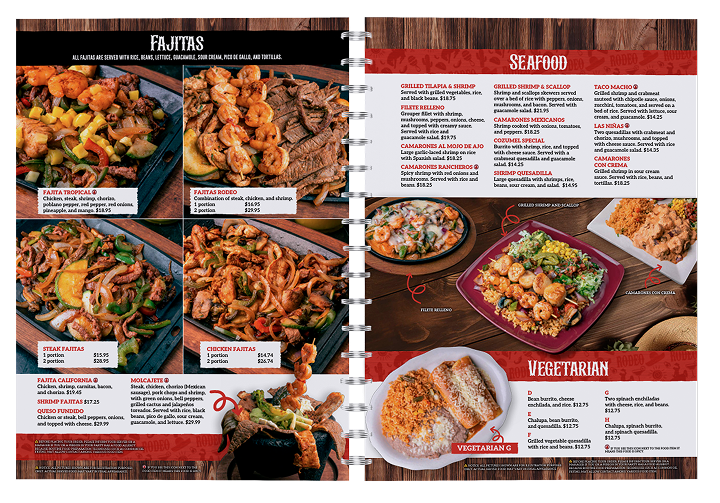
Your menu is more than a list of dishes, it’s a key branding tool. Menu design should reflect your restaurant’s personality. For example:
A modern café may use clean layouts and minimal design.
A rustic restaurant may use textured backgrounds and warm typography.
A luxury restaurant may use elegant fonts and refined spacing.
Good menu design helps customers navigate choices easily while reinforcing your brand identity.
Step
5
Create a Consistent Online Presence
Today, many customers discover restaurants online before visiting in person. Your digital presence should reflect your brand consistently across:
Website
Instagram
TikTok
Google listing
Online menus
High-quality photos, consistent colors, and a clear tone of voice all contribute to a strong brand image. If your online presence looks unprofessional or inconsistent, potential customers may assume the same about your restaurant.
Step
6
An Atmosphere That Matches Your Brand
Branding doesn’t stop at digital platforms. The physical space of your restaurant should also reinforce your identity. Key elements include:
Interior design
Lighting
Furniture
Music
Uniforms
Table settings
These details shape the overall customer experience. A strong brand ensures that everything, from the logo on the wall to the music playing in the background feels cohesive.
Step
7
Tell Your Restaurant’s Story
People connect with stories. Sharing your restaurant’s story helps customers understand:
why you started the business
what inspired the concept
what makes your restaurant unique
Storytelling builds emotional connection and makes your brand more memorable. This story can appear on your: website, menus, marketing material and social media
Step
8
Deliver a Consistent Customer Experience
Branding is ultimately about consistency. Every interaction with your restaurant should feel aligned with your identity. This includes:
How staff greet customers
How food is presented
How the space feels
How your social media communicates
When every detail supports the same brand experience, customers begin to associate your restaurant with a clear and recognizable identity.
Common Restaurant Branding Mistakes
Many restaurants struggle with branding because they:
Rush logo design
Copy competitors
Use inconsistent visuals
ignore their online presence
fail to define a clear concept
Avoiding these mistakes can dramatically improve how customers perceive your restaurant.
Final Thoughts
Great food brings people in once. A strong restaurant brand brings them back again and again.
By developing a clear concept, building a consistent restaurant brand identity, and creating a memorable customer experience, you can transform your restaurant from just another dining option into a recognizable destination.
Because in today’s restaurant industry, the most successful restaurants don’t just serve great food—they build brands people love.
You’re Not Just Building a Business, Build a Brand
Anyone can start a business. Very few build a brand people remember. Let’s build something that actually represents you.