

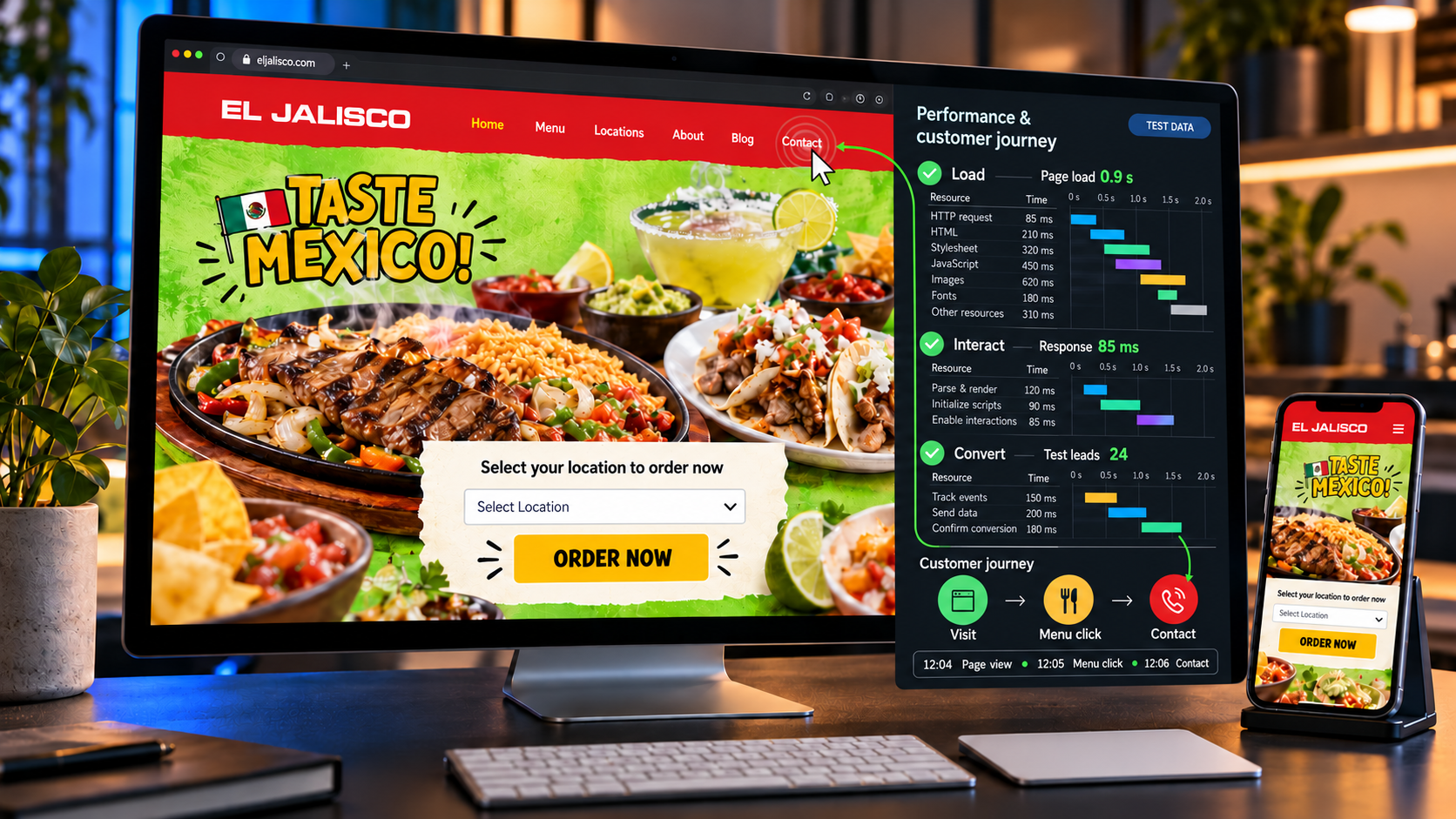
Core Web Vitals are Google’s UX performance metrics measuring loading speed, interactivity, and visual stability. For Lead Generation Websites, optimizing these signals (Largest Contentful Paint, Interaction to Next Paint, and Cumulative Layout Shift) directly improves user experience and conversion rates. Reyal Design builds sleek, fast websites that work as hard as the businesses they serve.
What Are Core Web Vitals and Why Do They Matter for Lead Generation?
Core Web Vitals are a set of UX performance metrics that Google introduced to measure real-world page experience. These metrics determine whether a lead generation website loads fast enough to hold attention, responds quickly enough to feel usable, and stays stable enough to avoid frustrating visitors. For lead generation websites, poor scores on these metrics translate directly into lost form submissions, missed calls, and abandoned contact pages.
The stakes are concrete. WPFarm reports that visitors abandon slow-loading pages in droves, and a page that takes more than 3 seconds to load loses prospects before it renders. A lead generation website that loses prospects before the page even renders forfeits revenue that competitors capture instead. Slow, unstable pages do not simply annoy users; they quietly erase pipeline.
Google incorporated Core Web Vitals into its ranking algorithm as of 2021, according to Windmill Strategy. Lead generation websites that ignore these metrics now compete at a structural disadvantage in search results. The ranking signal compounds the conversion problem: lower visibility means fewer visitors, and slower pages mean fewer of those visitors convert.
What Do Core Web Vitals Actually Measure?
Three distinct signals define the framework:
- Loading speed: whether the largest content element appears quickly enough to keep a user’s attention
- Interactivity: whether the page responds to clicks and taps without frustrating delays
- Visual stability: whether elements shift unexpectedly while the page loads, causing misclicks or lost form entries
Each metric addresses a specific failure mode that costs lead generation websites conversions. A form button that jumps when an image loads late causes prospects to click the wrong element. A page that takes four seconds to become interactive loses impatient visitors before they ever see the offer.
How Do Core Web Vitals Affect Lead Generation Rankings?
Google’s 2021 algorithm update made these metrics a direct ranking factor. Lead generation websites competing for the same local keywords now face a two-part penalty for poor performance: reduced organic visibility and higher bounce rates among the visitors who do arrive. Website speed optimization services address both problems by improving the underlying metrics that Google measures and users feel.
The connection between page experience and lead volume is not theoretical. A lead generation website that fails Core Web Vitals thresholds loses ranking positions to faster competitors, then loses the remaining traffic to impatience. The fix requires measuring real-world performance, not lab simulations, because Google evaluates actual user conditions across devices and network speeds.
How Do Core Web Vitals Impact Your Lead Generation Conversion Rates?
Core Web Vitals directly determine whether a lead generation website converts visitors or drives them to competitors. These page experience metrics measure speed, responsiveness, and visual stability, and poor scores cause lead generation websites to lose prospects before a single form submission occurs.
Core Web Vitals are a set of page experience metrics related to page speed, responsiveness, and visual stability. Google’s Page Experience breakdown confirms these factors contribute to ranking results. For lead generation websites, ranking visibility and user experience are inseparable: a site that fails Core Web Vitals thresholds loses both organic traffic and the trust of visitors who arrive through other channels.
The metrics measured by Core Web Vitals have an impact on a website’s performance, users’ interactions with the website, and, ultimately, how the website ranks as a result. Lead generation websites depend on frictionless interactions. A sluggish Largest Contentful Paint (LCP) score delays the moment a prospect sees a contact form or value proposition. Cumulative Layout Shift (CLS) problems cause buttons to jump under a visitor’s finger, sabotaging click-throughs on calls to action. Interaction to Next Paint (INP) issues make interactive elements feel broken.
Visitors abandoning slow-loading sites translates directly to lost conversions, revenue, and ranking potential. For lead generation websites, every abandoned session represents a lead that never enters the pipeline. The compounding damage is measurable: lower rankings reduce discoverability while poor on-page experience depresses conversion rates on the traffic that does arrive.
What happens to lead generation websites with poor Core Web Vitals scores?
Lead generation websites with poor Core Web Vitals scores experience higher bounce rates and fewer form completions. Google incorporates these metrics into its ranking algorithm, so underperforming sites also lose search visibility. The combined effect shrinks both traffic volume and conversion efficiency.
How do Core Web Vitals affect mobile lead generation performance?
Mobile visitors to lead generation websites are especially sensitive to speed and stability issues. Network variability and device constraints amplify Core Web Vitals problems, causing mobile conversion rates to drop sharply. A lead generation website that passes Core Web Vitals thresholds on mobile captures prospects that competitors with slower mobile experiences lose entirely.
What Are the Three Core Web Vitals Metrics You Need to Know?
Core Web Vitals are a set of UX performance metrics designed to measure real-world page experience. The three specific metrics assess whether a Lead Generation Websites page is fast enough, responsive enough, and stable enough for visitors. Google introduced these signals to provide unified guidance on delivering a better user experience, and the standards directly influence search rankings as of 2021.
There is no one-size-fits-all approach to these standardized metrics. Each website’s unique requirements will determine what is needed for optimal performance. A Lead Generation Websites business might only need small image optimizations, while another site requires a complete structural overhaul. The metrics measured by Core Web Vitals evaluate page speed, responsiveness, and visual stability.
How does Largest Contentful Paint measure loading speed?
LCP marks the point in the page load timeline when the main content has likely loaded. A fast LCP reassures the visitor that the page is useful. Slow loading pages on Lead Generation Websites push potential customers away before a single form is submitted.
Why does Interaction to Next Paint gauge responsiveness?
INP observes the latency of all user interactions throughout a page’s lifecycle. Poor responsiveness makes a site feel broken and frustrates users trying to schedule consultations or download resources. The metric ensures every click, tap, and keypress receives a swift visual response.
What does Cumulative Layout Shift reveal about visual stability?
CLS quantifies how much the visible content moves around during loading. Unexpected layout shifts cause visitors to click the wrong buttons or lose their reading place. A stable Lead Generation Websites page keeps the user focused on the content, preventing accidental actions that damage trust.
Optimizing these three metrics reduces friction across every digital touchpoint. Professional website speed optimization services tackle the specific technical causes behind poor LCP, INP, and CLS scores, moving beyond generic checklists to address each site’s distinct performance bottlenecks.
How Can You Optimize Core Web Vitals for a Lead Generation Site?
Optimizing Core Web Vitals for a lead generation site starts with a diagnostic audit of real-world user metrics. The goal is to identify whether the site needs minor image tweaks or a complete structural rebuild. Windmill Strategy notes that some sites improve their Core Web Vitals numbers with only a few small enhancements to poorly optimized images. Others require a complete structural overhaul before any measurable progress appears.
What Are the First Steps to Diagnose Core Web Vitals Issues?
Field data from Google’s Chrome User Experience Report reveals where actual visitors encounter friction. A lead generation site loses traffic when pages take more than three seconds to load, according to WP Farm. That abandonment rate translates directly into lost form submissions and qualified leads. The diagnostic phase separates cosmetic fixes from foundational problems.
Which Technical Fixes Deliver the Fastest Improvements?
WP Farm outlines seven battle-tested strategies for improving Core Web Vitals scores on content management platforms. These range from server-level caching and image compression to render-blocking script elimination. For lead generation sites with heavy form plugins and tracking pixels, reducing third-party script overhead often produces the largest single gain in Largest Contentful Paint times.
Website speed optimization services address the full spectrum of these technical challenges. Reyal Design offers web design and development services that streamline the marketing process for lead generation sites. The company’s approach evaluates whether a site needs targeted image optimization or a deeper architectural revision. Without this assessment, site owners risk applying surface-level fixes to problems that demand structural solutions.
What Should You Do Next to Improve Your Site’s Speed and Vitals?
Core Web Vitals optimization represents the missing piece in many SEO strategies. Google’s increasing focus on user experience metrics makes mastering these performance indicators essential for online success. A slow, unstable site drives visitors away and undercuts every other marketing investment a business makes.
Website speed optimization services address the three pillars of page experience: loading speed, visual stability, and interactive responsiveness. Without deliberate attention to these metrics, even well-designed pages lose ranking potential and conversions. The cost of inaction compounds as competitors refine their own performance scores.
How Do Core Web Vitals Affect Search Rankings?
Google incorporated Core Web Vitals into its ranking algorithm in 2021. Sites that fail these benchmarks lose visibility to faster, more stable competitors. The ranking signal rewards pages that load quickly, respond to input without delay, and keep layout shifts to a minimum.
What Makes a Site Feel Fast and Stable to Visitors?
Speed alone does not guarantee a good experience. A page must also feel responsive when a user clicks or taps, and it must avoid unexpected layout jumps that cause misclicks. These three factors, loading, interactivity, and visual stability, form the foundation of Core Web Vitals.
Reyal Design partners with ambitious brands to elevate their presence and support in-house teams. The company offers website speed optimization services as part of its web design and development solutions, helping businesses in Lead Generation Websites meet these performance standards. A streamlined site keeps visitors engaged and protects the revenue that slow load times would otherwise forfeit.
Conclusion
The decision to optimize Core Web Vitals is the decision to protect every lead your site earns. A fast, stable, responsive page keeps visitors engaged long enough to submit a form, while a sluggish experience forfeits that opportunity to competitors. Start with a diagnostic audit to identify your specific bottlenecks, then apply the structural or image-level fixes your site requires. That next step determines whether your performance metrics become a growth asset or a silent revenue leak.