

By Content team at Reyal Design, Reyal Design
Creating an effective landing page is crucial for small businesses looking to drive conversions and capture leads. A well-designed landing page can significantly enhance user engagement and increase conversion rates, making it a vital component of any digital marketing strategy. In this guide, we will explore various strategies for optimizing landing pages, focusing on elements such as visual hierarchy, mobile responsiveness, and the importance of call-to-action buttons. Additionally, we will address how user experience principles can enhance engagement and how A/B testing can maximize performance. Finally, we will delve into practical examples and best practices that can inspire small businesses seeking success with their landing page designs.
What Are the Most Effective Landing Page Optimization Strategies for Small Businesses?
Effective landing page optimization strategies are essential for maximizing conversions. These strategies involve understanding user behavior, applying design best practices, and utilizing data-driven insights. A well-optimized landing page can lead to improved customer interactions, increased sign-ups, and higher sales. Small businesses should prioritize mobile responsiveness, as a significant portion of web traffic comes from mobile devices. This prioritization not only enhances user experience but also impacts search engine rankings positively.
How Does Visual Hierarchy Influence Conversion Rates on Landing Pages?
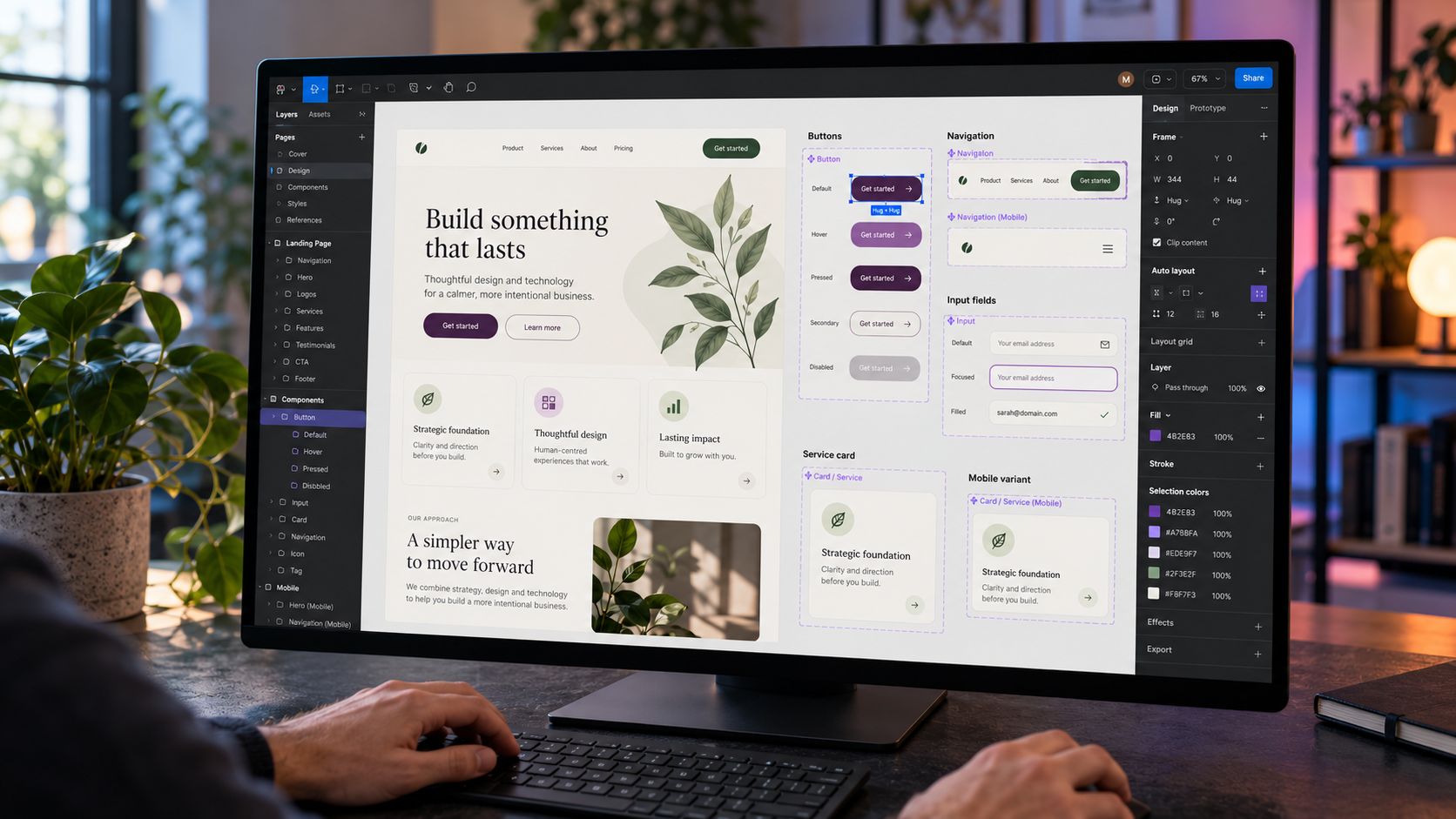
Visual hierarchy refers to the arrangement of elements on a page in a way that communicates importance. By effectively utilizing visual hierarchy, businesses can guide users’ attention and improve decision-making processes. For example, using larger fonts for headlines or contrasting colors for call-to-action buttons can attract the eye and encourage interaction. Studies indicate that a well-structured visual hierarchy increases engagement by making information easily digestible, thus significantly boosting conversion rates.
Why Is Mobile Responsiveness Critical for Landing Page Success?
With over half of all web traffic originating from mobile devices, ensuring that landing pages are mobile-responsive is imperative. Mobile responsiveness improves user engagement by providing a seamless experience across various devices, leading to lower bounce rates and higher conversions. Implementing responsive design includes optimizing images, simplifying navigation, and ensuring fast loading times. Mobile-friendly pages not only cater to user preferences but are also favored by search engines, enhancing visibility and reach.
How Can Small Businesses Craft Call to Action Buttons That Drive Higher Conversions?
Call to action (CTA) buttons play a paramount role in guiding user behavior on landing pages. Effective CTAs encourage users to take specific actions, such as signing up for a newsletter or making a purchase. Factors such as button placement, color, and wording can significantly influence clicks and conversions. It is crucial for small businesses to experiment with different CTA designs and strategies to determine what resonates best with their audience.
What Are Effective Call to Action Design Best Practices?
To create compelling CTAs, consider the following best practices:
Use Action-Oriented Language: Phrases like “Get Started” or “Download Now” create urgency and prompt action.
Design for Visibility: Use contrasting colors and larger sizes to ensure that the CTA stands out from the rest of the content.
Strategic Placement: Position CTAs above the fold or at the conclusion of engaging content to catch users when they’re most likely to act.
By applying these principles, businesses can enhance their chances of converting visitors into leads.
Research emphasizes that the clarity and transparency of a design are essential factors in how users perceive and interact with call-to-action elements.
Best Practices for Designing Intuitive Call-to-Action Buttons
The users clearly prefer constructions that have a high explainability and feels intuitive. Hence, the design should have a high level of transparency and show the user straight away what it demands from the user and what the result of the action is. Furthermore, the design should have a high usability to make it clear how to use the call to action. Designing call to action: users’ perception of different characteristics, T Mejtoft, 2021
How Does Personalizing Calls to Action Improve Lead Generation?
Personalization significantly impacts user engagement and conversion rates. By tailoring CTAs to specific audience segments or reflecting user behavior, small businesses can increase the relevance of their messages. For instance, a CTA that addresses the user by name or references their previous interactions can create a sense of connection, leading to improved conversion rates. Data shows that personalized CTAs perform better than generic ones, driving higher click-through rates and boosting overall lead generation efforts.
Which User Experience Design Principles Increase Engagement on Small Business Landing Pages?
User experience (UX) design principles are fundamental in creating landing pages that encourage user interaction. A site that is easy to navigate and visually appealing enhances the likelihood of conversions. Essential UX principles include simplicity, clarity, and consistency, which help reduce friction for users as they move through the conversion funnel.
How Does Brand Consistency Enhance Landing Page Trust and Conversion?
Brand consistency fosters trust by ensuring that users encounter a unified message across all platforms. Consistent use of colors, fonts, and imagery reinforces brand identity and aids in recognition, which can lead to higher conversion rates. According to research, brands that maintain consistency can increase revenue by up to 23%. This trust is vital in encouraging users to provide personal information or make purchases.
What Role Do Page Speed and Form Optimization Play in User Experience?
Page speed is a critical factor influencing user experience—slow loading times can result in higher bounce rates and lost opportunities for conversion. Research indicates that a one-second delay can reduce conversions by up to 20%. Therefore, optimizing images, minimizing code, and selecting reliable hosting solutions can help enhance page speed. Additionally, simplifying forms by reducing the number of required fields can contribute to improved user experience and higher submission rates.
How Do A/B Testing and Analytics Integration Maximize Landing Page Performance?
A/B testing allows businesses to compare different versions of a landing page to determine what works best in driving conversions. By changing one element at a time—like headlines, images, or CTA buttons—businesses can gather data on performance and refine their strategies. Integrating analytics tools provides invaluable insights into user behavior, helping businesses identify areas for improvement.
What Are The Key Metrics for Measuring Landing Page Conversion Success?
To gauge the effectiveness of a landing page, small businesses should monitor key performance indicators (KPIs), including:
Conversion Rate: The percentage of users who complete the desired action.
Bounce Rate: The percentage of visitors who leave the page without interacting.
Average Session Duration: The average time users spend on the landing page.
These metrics reveal how well a landing page engages users and highlights opportunities for optimization.
How Can Small Businesses Implement Effective A/B Testing for Landing Pages?
Implementing A/B testing involves several steps:
Define Objectives: Establish clear goals for what the A/B test should achieve.
Select Variables: Choose which elements to test and ensure only one variable is changed at a time.
Run Tests: Collect data over a sufficient timeframe to ensure statistical validity.
Analyze Results: Use analytics to evaluate performance and make informed decisions based on the results.
Effective A/B testing can lead to significant improvements in conversion rates and overall landing page performance.
What Are Best Landing Page Design Examples That Drive Conversions for Small Businesses?
Analyzing successful landing page designs can provide inspiration and insights for small businesses. High-converting landing pages often share key elements that contribute to their success.
Which Landing Page Layouts Showcase High Converting Design Elements?
Effective landing page layouts typically feature:
Clear Headlines: Instantly communicate value.
Strong Visuals: Use engaging images or videos relevant to the offer.
Focused Messaging: Keep content concise and aimed at guiding users toward the CTA.
These layouts create an intuitive flow that guides users toward completing their desired actions.
How Have Small Business Case Studies Demonstrated Successful Landing Page Optimization?
Several small businesses have demonstrated the power of effective landing page optimization through case studies. For instance, one small online retailer improved their conversion rate by 40% after redesigning their landing page layout, incorporating better visuals, and streamlining their CTAs. These successes illustrate the tangible benefits of investing in well-optimized landing pages.
How Can Small Business Owners Monitor and Update Landing Pages to Maintain Conversion Performance?
Regular monitoring and updating are crucial for maintaining the effectiveness of landing pages. As user preferences and market trends evolve, businesses must adjust their strategies to remain relevant.
What Tools and Methods Help Track Landing Page SEO and Conversion Metrics?
Utilizing analytics tools such as Google Analytics can help track landing page performance. Key insights include user demographics, traffic sources, and behavior patterns. Other useful tools for monitoring include heatmap software, which visually represents user interactions, helping identify areas for improvement.
Why Is Regular Content Update Important for Sustained Landing Page Effectiveness?
Keeping content fresh is vital for maintaining user engagement and improving SEO. Regularly updating landing pages with new testimonials, removing outdated information, and integrating current trends can keep the content relevant. Research shows that updated content can lead to higher search engine rankings and increased return visitors.