

By Content team at Reyal Design, Reyal Design
In the competitive landscape of the restaurant and nonprofit sectors, effective branding is crucial for standing out and fostering engagement. Branding encompasses more than just a logo; it includes the message conveyed, the identity presented, and the connection created with customers or donors. This article will explore essential branding strategies tailored specifically for restaurants and nonprofits, aiding them in building a distinctive identity that resonates with their audiences. By addressing common branding pain points, this guide aims to provide actionable solutions that enhance brand awareness and drive growth. Key sections will include foundational branding concepts, strategies for developing unique identities, visual branding practices, and integrated marketing strategies for maximum impact.
What Are the Core Branding Foundations for Small Businesses in Restaurants and Nonprofits?
Branding represents the overall perception of a business and encompasses its values, mission, and personality. For small businesses, particularly in the restaurant and nonprofit sectors, a solid branding foundation is essential for creating effective relationships with their target audiences. A well-thought-out brand identity not only distinguishes a business in a crowded market but also fosters trust and loyalty among customers and donors.
How Does Brand Identity Influence Customer and Donor Engagement?
Brand identity significantly influences how customers and donors perceive an organization. Emotional connections fostered through consistent branding lead to enhanced loyalty and engagement. For instance, customers who feel a personal connection to a restaurant’s ethos or a nonprofit’s mission are more likely to visit repeatedly or contribute financially. Research shows that strong brand loyalty can drive sales significantly, emphasizing the importance of establishing an impactful brand identity.
Why Is Visual Branding Critical for Small Business Success?
Visual branding plays a pivotal role in achieving market differentiation and recognition. Elements such as logos, color schemes, and typography create immediate associations in the minds of potential customers. Studies indicate that consistent branding across all platforms can increase revenue by up to 23%. For small businesses, this visual consistency promotes trust and enhances customer experiences, essential for long-term success.
How Can Restaurants Develop a Distinctive Brand Identity to Attract More Customers?
Creating a distinctive brand identity is critical for restaurants seeking to attract and retain customers. This involves understanding unique selling propositions and enhancing the overall aesthetic experience that customers associate with dining.
What Are Key Elements of Restaurant Visual Design That Drive Foot Traffic?
Several visual design elements can significantly enhance a restaurant’s appeal, driving foot traffic effectively:
- Ambiance: The atmosphere created through interior design influences customers’ overall dining experience and can encourage repeat visits.
- Signage: Clear, attractive signage not only guides customers but also communicates the restaurant’s branding and theme effectively.
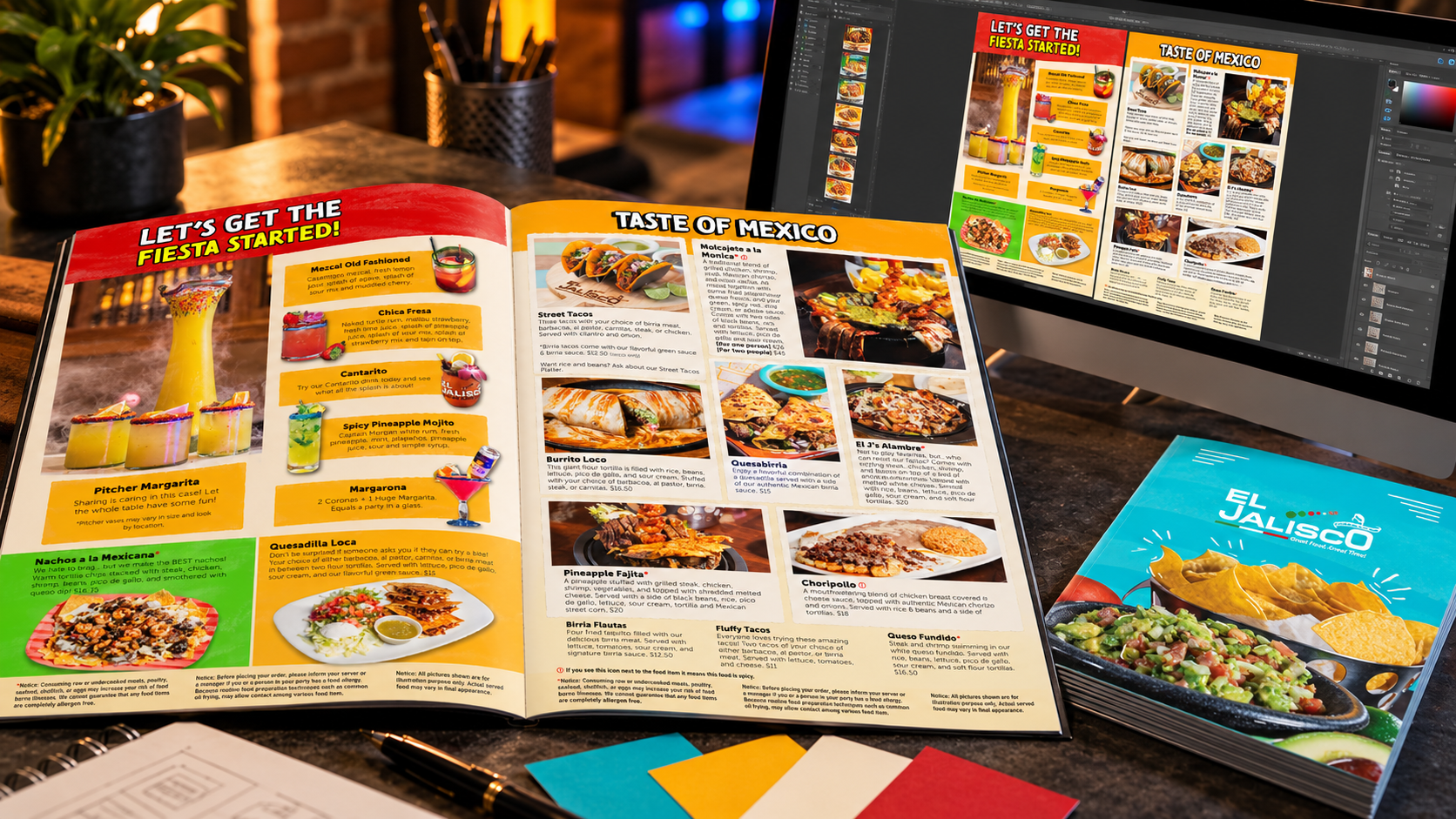
- Menu Design: A well-designed menu reflects the restaurant’s identity, engages customers, and promotes specific dishes through strategic layouts and visuals.
By prioritizing these elements, restaurants can cultivate an inviting environment that resonates with potential patrons.
Recent research underscores the importance of visual strategies in boosting the performance of culinary businesses.
Visual Branding Strategies for Culinary Small Businesses The findings highlight three key practices—high-quality images and videos, visual storytelling, and user-generated content (UGC)—which collectively increase engagement, strengthen brand recognition, and foster consumer trust. Case studies demonstrate tangible outcomes, such as a 150% rise in social media followers and significant growth in online sales Visual content strategies for increasing online visibility of culinary MSMEs, 2024
How Does Strategic Brand Positioning Differentiate Restaurants in Competitive Markets?
Strategic brand positioning is crucial for distinguishing a restaurant in competitive environments. Effective positioning captures the attention of specific target demographics through tailored marketing messages and service offerings. This differentiation can be accomplished by defining unique aspects of the restaurant’s cuisine, ambiance, or service philosophy.
What Are Best Practices for Creating Visual Branding That Resonates With Nonprofit Audiences?
Effective visual branding for nonprofits is about more than aesthetics; it’s about building trust and a recognizable identity that encapsulates the organization’s mission.
How Does Effective Brand Messaging Increase Donor Retention?
Clear and compelling brand messaging is vital for improving donor retention. Messaging that highlights the impact of donations and showcases success stories builds emotional connections, encouraging sustained support. Clarity in communication ensures that donors understand how their contributions are utilized, reinforcing their commitment to the cause.
Which Visual Identity Components Strengthen Nonprofit Recognition?
To enhance recognition, nonprofits should prioritize key components of visual identity, including:
- Logo Design: An impactful logo serves as the visual essence of the organization, capturing its mission and values at a glance.
- Color Palettes: Consistent color usage aligns with the organization’s emotional appeal, fostering immediate recognition.
- Consistent Imagery: Utilizing a cohesive visual style across materials fortifies brand recognition and trustworthiness.
By ensuring these elements are well-designed and consistently applied, nonprofits can significantly improve their visibility and credibility in the community.
How Can Integrated Brand Engagement and Marketing Strategies Maximize Impact for Restaurants and Nonprofits?
Integrated branding and marketing strategies allow restaurants and nonprofits to create cohesive communication across all platforms and customer touchpoints. This approach ensures that every interaction enhances the overall brand perception.
What Storytelling Techniques Enhance Customer and Donor Connection?
Compelling storytelling is a powerful tool for enhancing connections with customers and donors. Narratives that share personal experiences or organizational missions can evoke empathy and inspire action:
- Relatable Narratives: These stories create a personal connection to the brand, making the audience feel more engaged.
- Impactful Messaging: Tailoring messaging to showcase the positive change generated by a business or nonprofit resonates strongly with stakeholders.
- Customer Testimonials: Sharing testimonials helps portray credibility and establish trust, providing real-life examples of the brand’s influence.
How Do Social Media Branding Efforts Support Small Business Growth?
Social media branding plays a vital role in connecting with audiences, enhancing online engagement, and increasing brand awareness. Through consistent branding across platforms, small businesses can cultivate communities that support their growth. Current trends show that businesses leveraging authentic social interactions witness higher customer loyalty rates.
Why Should Restaurants and Nonprofits Book a Strategic Branding Consultation?
Strategic branding consultations offer invaluable insights into refining brand identity and enhancing visibility in target markets. Brands can benefit from expert guidance in developing cohesive messaging that resonates with their audience.
What Is the Process of a Branding Consultation With Expert Agencies Like Reyal Design?
A branding consultation typically involves the following key steps:
- Initial Assessment: Evaluating the current branding landscape and identifying areas for improvement.
- Collaborative Strategy Development: Working with branding experts to create tailored strategies that align with organizational goals.
- Implementation Planning: Outlining actionable steps to effectively execute the proposed branding strategies.
This consultative process equips restaurants and nonprofits with the knowledge and tools necessary to elevate their brand presence.
How Can Branding Consulting Deliver Measurable Business Outcomes?
Branding consulting can yield measurable results by focusing on key performance indicators (KPIs) that align with specific business objectives. Consistent evaluation allows organizations to make data-driven adjustments that enhance engagement and ROI. Metrics such as customer retention rates, brand awareness levels, and fundraising performance are crucial in illustrating the success of branding initiatives.
| Branding Element | Importance | Example Impact |
|---|---|---|
| Brand Identity | Establishes recognition | Heightened customer loyalty |
| Visual Elements | Communicates values | Increased foot traffic |
| Messaging | Enhances connection | Improved donor retention |
This table highlights the essential components of branding and their tangible impacts on business success, emphasizing the importance of a strategic approach to branding.