

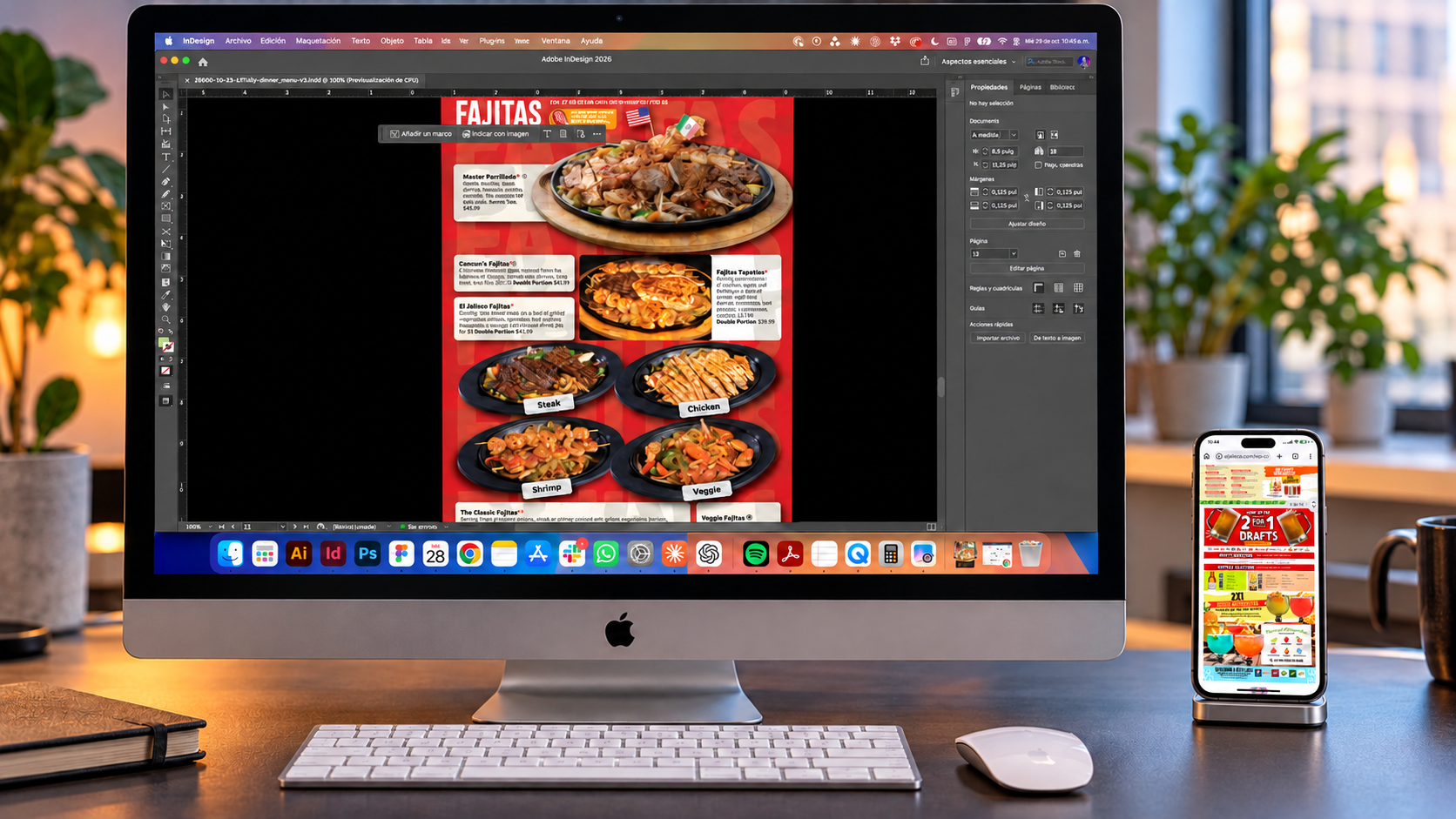
Mobile-first web development for Miami restaurants prioritizes speed, mobile menus, and booking buttons to convert clicks into customers. Reyal Design builds sleek, fast restaurant websites for fast-casual and fine dining, integrating online ordering, reservations, and POS systems. Slow sites lose diners within seconds, so performance drives every design decision.
Why mobile-first matters for Miami restaurants?
Miami ranks among the most competitive restaurant markets in the United States. Thousands of food businesses from Brickell to Wynwood, South Beach to Coral Gables compete for the same diners, making a fast, mobile-optimized site essential for capturing attention. Restaurant website design Miami agencies understand that diners evaluate a restaurant within seconds of landing on its site.
The stakes are concrete. A slow or hard-to-navigate site causes visitors to move on, losing potential reservations, walk-ins, and direct orders. Miami diners check speed, menu clarity, photos, and booking ease before committing. A site that fails any of these tests forfeits revenue to a competitor one tap away.
What do Miami diners check first on a restaurant website?
Diners look at four elements in rapid succession:
- Site speed and load time
- Menu accessibility and readability
- Photo quality and visual appeal
- Booking button visibility and ease of use
Each element functions as a gate. A slow load or buried booking button ends the visit before a reservation happens.
How does mobile design affect reservations and orders?
Mobile-first design converts visitors into reservations, walk-ins, and direct orders. When the site loads quickly and the booking path stays clear, diners complete the action. When navigation frustrates, they abandon the site and choose another restaurant. The difference between a booked table and a lost customer often comes down to seconds of mobile performance.
What makes a restaurant website convert in Miami?
A converting restaurant website in Miami turns casual browsers into paying guests through speed, clarity, and frictionless booking. Sites that load slowly or hide the menu behind clicks lose diners before a single reservation lands. Restaurant website design Miami agencies build every page element around one outcome: moving a visitor from curiosity to a confirmed table, takeout order, or direct walk-in.
What features drive the most restaurant bookings online?
Three functional elements separate high-converting restaurant sites from digital brochures. First, integrated online food ordering eliminates third-party platform friction and keeps revenue in-house. Second, digital menus that load instantly on mobile devices prevent the bounce that occurs when a PDF takes five seconds to render. Third, table booking and reservation widgets embedded directly on the homepage capture intent the moment a diner decides to visit. Restaurants missing any of these three components surrender conversions to competitors whose sites close the transaction in one tap.
Why does mobile speed matter for Miami restaurants?
Miami diners search for restaurants on phones while walking, driving, or standing outside a venue. A mobile-first restaurant experience compresses images, streamlines navigation, and places the booking button under the thumb zone. Fast-casual spots lose lunch traffic when a menu fails to render in under three seconds. Fine dining establishments forfeit anniversary reservations when the reservation form requires pinch-zooming. The mobile screen is the front door; a site that treats it as an afterthought turns away guests who never file a complaint and never return.
How does fast-casual differ from fine dining web design?
Fast-casual and fine dining websites serve opposite operational rhythms. Fast-casual design prioritizes speed and frictionless transactions. Fine dining design immerses visitors in atmosphere and anticipation long before the first course arrives.
A fast-casual site in Miami converts hunger into action. Restaurant website design Miami studios structure these sites around a single goal: turning a browsing session into a completed order in under ninety seconds. Streamlined online ordering sits at the core, with direct integration into the point-of-sale system. When a customer taps an item on a digital menu, that selection routes instantly to the kitchen printer without staff intervention. Keyideas Infotech notes that fast-casual platforms demand POS and delivery platform integration as a foundational requirement, not an add-on.
Fine dining sites invert this logic. The transaction recedes behind layers of sensory storytelling. High-resolution photography of plated dishes, chef portraits, and dining room interiors dominates the experience. Reservation systems anchor the functionality. A potential guest browses a gallery of seasonal tasting menus, reads about the wine director’s philosophy, and books a table through an embedded widget. Keyideas Infotech identifies online reservations, table booking, and digital waitlists as the essential technology backbone for this segment. The call to action asks for a commitment, not a quick sale.
What is the biggest functional difference between the two site types?
Fast-casual sites revolve around order flow. Menu management, cart logic, payment processing, and kitchen routing form the technical skeleton. Fine dining sites revolve around reservation flow. Availability calendars, party-size logic, special-request fields, and confirmation messaging take priority. The fast-casual site loses revenue if a checkout stalls. The fine dining site loses revenue if a prime Saturday slot goes unfilled.
Why does mobile design matter equally for both categories?
Miami diners search for lunch on phones while walking and browse anniversary dinner options on tablets at home. Keyideas Infotech emphasizes mobile-first restaurant experiences as a baseline expectation. A fast-casual site with sluggish mobile ordering abandons sales to competitors one block away. A fine dining site with tiny, unreadable menus on a phone screen signals indifference to detail, undercutting the premium positioning. In both cases, load speed and visual clarity determine whether a visitor stays or swipes away.
What features should a Miami restaurant website include?
A Miami restaurant website needs digital menus, online ordering, and delivery or takeout options. These features turn casual browsers into paying customers before a competitor’s site loads.
Miami diners expect instant access to what matters. A slow or incomplete site loses reservations to the restaurant down the block. Restaurant website design Miami projects must prioritize functionality over flash.
What ordering features do Miami diners expect?
- Digital menus and menu management keep prices and dishes current without calling a developer.
- Online food ordering captures direct orders instead of surrendering revenue to third-party apps.
- Restaurant delivery and takeout options match how Miami customers actually eat.
How do loyalty features drive repeat visits?
Loyalty programs, rewards, gift cards, and promotions give regulars a reason to return. A customer who earns points or holds a gift card chooses that restaurant over an untried competitor. These tools convert one-time visitors into repeat revenue.
What do multi-location restaurant groups need?
Multi-location restaurant websites and chain ordering require location management built into the platform. Restaurant franchise and location management tools let each Miami outpost update hours, menus, and promotions independently. Without this structure, a growing group loses control of its digital presence.
Reyal Design builds these features into every restaurant website. The company’s approach keeps menus accurate, ordering direct, and loyalty programs working across every location.
How to choose a web design partner for your Miami restaurant?
Miami restaurant owners lose reservations when a website loads slowly or hides the menu. A web design partner must understand hospitality conversion, not just visual polish. Reyal Design operates as a boutique creative agency with roots in graphic design and award-winning campaigns. The company delivers restaurant website design Miami operators need without traditional agency overhead.
What separates a strategic partner from a template vendor?
Reyal Design streamlines the marketing process to deliver top-tier strategy and creative. The agency handles brand refreshes and web design as connected disciplines, not isolated tasks. Restaurants that treat branding and site structure separately end up with mismatched menus, inconsistent photography, and booking flows that confuse guests.
How does a boutique agency support an in-house restaurant team?
The company partners with ambitious brands to craft strategic and unforgettable experiences. Reyal Design supports in-house teams that lack dedicated web or creative staff. A Miami restaurant group with a marketing manager but no designer gains a full creative bench without hiring overhead.
Key selection criteria for a Miami restaurant web partner:
- Hospitality-specific portfolio showing menu, reservation, and ordering flows
- Brand strategy and web design delivered by one team, not separate vendors
- Direct collaboration with in-house staff rather than handoff-heavy account layers
- Transparent process that removes traditional agency overhead
Reyal Design fits each criterion through its boutique structure and straightforward approach. The agency’s experienced creatives bring award-winning campaign thinking to every restaurant project. Miami operators who skip this vetting risk launching a site that looks current but fails to convert hungry visitors into seated guests.
Conclusion
Miami diners decide in seconds, and the site that loads fastest and answers the clearest wins the table. Whether the goal is a ninety-second order or a Saturday reservation, the mobile experience determines the outcome. A partner who builds hospitality conversion into every screen turns that split-second judgment into seated guests. Choose the team that treats speed and storytelling as one strategy, then watch the reservations follow.