

By Content team at Reyal Design, Reyal Design
Establishing a strong brand identity is crucial for small businesses looking to stand out in a competitive market. The process involves strategically crafting a unique image that resonates with target audiences, fostering loyalty and recognition. This article explores essential branding strategies for small businesses, focusing on the core principles that drive effective brand identity and engagement. Business owners often grapple with distinguishing their offerings amid overwhelming competition, thus the application of well-defined branding strategies becomes imperative. By understanding concepts like brand positioning, brand archetypes, positioning matrices, visual branding essentials, and customer engagement tactics within an integrated framework, small businesses can create a memorable and impactful presence.
This guide will walk you through fundamental branding strategies, highlighting the importance of consistent messaging, the role of customer interaction, and effective methods to measure branding effectiveness. It also delves into advanced strategic frameworks and detailed elements such as typography and color theory, tone of voice documentation, and ensuring omnichannel touchpoint consistency, equipping businesses with a comprehensive brand identity guide for sustained growth.
What Is Brand Positioning and How Does It Differentiate Your Small Business?
Brand positioning involves defining a brand’s unique place in the market relative to competitors and communicating that identity clearly to the target audience. It operates on the principle that being perceived differently by consumers allows a small business to stand out from a multitude of similar offerings. Effective brand positioning directly influences customer perception, establishing a meaningful connection that leads to better engagement and loyalty.
Understanding and Utilizing Positioning Matrices for Precise Brand Differentiation
Positioning matrices are strategic tools that help small businesses visually map where they stand in relation to competitors based on key attributes such as price, quality, or customer experience. By placing your brand strategically within this matrix, you can identify niches or gaps in the market to target effectively. For example, a small business might position itself as a premium but affordable alternative, or a specialist in eco-friendly products, based on customer priorities. This targeted positioning fosters clarity and distinguishes your brand in consumers’ minds.
How to Identify Your Target Audience for Effective Brand Positioning
Identifying your target audience is essential for effective brand positioning. Businesses need to define their ideal customer by utilizing various research tools such as surveys, interviews, and market analysis. By understanding demographics, preferences, psychographics, and pain points, small businesses can tailor their branding efforts to resonate specifically with their desired market segment. This targeted approach increases the chances of successful communication and engagement, ensuring branding strategies for small businesses are efficient and impactful.
Leveraging Brand Archetypes to Build Emotional Connections
Brand archetypes are universal personality types that resonate deeply with consumer psychology and emotions. By aligning your small business branding with a specific archetype—such as the Hero, the Creator, or the Caregiver—you craft a narrative and tone that deeply connects with your target audience. This framework aids in building authenticity and consistency across all branding touchpoints, making your brand more relatable and memorable. Integrating brand archetypes within your brand identity guide provides actionable insights for storytelling, visual design, and communication style.
What Are Common Brand Positioning Mistakes Small Businesses Should Avoid?
Small businesses often make several common mistakes in brand positioning that can hinder their growth. These include failing to clearly define target audiences, overcomplicating messages, or neglecting market research. Another frequent pitfall is inconsistency in branding across different platforms, which can confuse consumers and dilute brand identity. Additionally, neglecting competitive analysis or attempting to appeal to everyone rather than focusing narrowly on target segments can reduce effectiveness. Addressing these issues helps in creating a more coherent and effective brand presence in the marketplace.
How to Create a Unique Brand Identity: Elements and Development Process
Developing a unique brand identity involves a strategic approach that includes various elements such as logos, color palettes, typography, tone of voice, and overall visual style. These elements work together to create a cohesive image that reflects the brand’s values and mission. An effective brand identity enables businesses to communicate their unique story and connect with customers on a deeper level, enhancing recall and loyalty within the context of small business branding.
What Are the Core Components of a Brand Identity Guide?
A brand identity guide serves as a comprehensive reference that outlines the essential elements of a brand. For small businesses, a well-crafted brand identity guide is crucial for maintaining consistency and reinforcing brand image across all customer touchpoints. Key components include:
- Logo: The visual symbol representing the brand, which should be unique, scalable, and easily recognizable. It forms the cornerstone of visual branding.
- Color Palette: A selected range of colors that convey the brand’s tone and personality. Effective use of color theory ensures colors evoke desired emotions and enhance brand recognition.
- Typography: The style of text used, which should be consistent across all branding materials. Font choice affects readability and emotional tone, so typographic hierarchy and pairing must be carefully planned.
- Brand Voice and Tone: The style of communication that aligns with the overall message and audience expectations. Documenting tone of voice guidelines ensures that all messaging—from marketing copy to customer service—remains consistent and authentic.
- Visual Guidelines: Including imagery style, iconography, and graphic elements that support the brand personality.
- Usage Rules: Clear instructions about logo placement, color usage, and font application to maintain brand integrity and avoid misrepresentation.
This guide not only aids in maintaining consistency but also ensures that every piece of communication reinforces the brand’s identity, a vital factor in small business branding success.
How to Incorporate Visual Branding Essentials Like Logos and Color Palettes
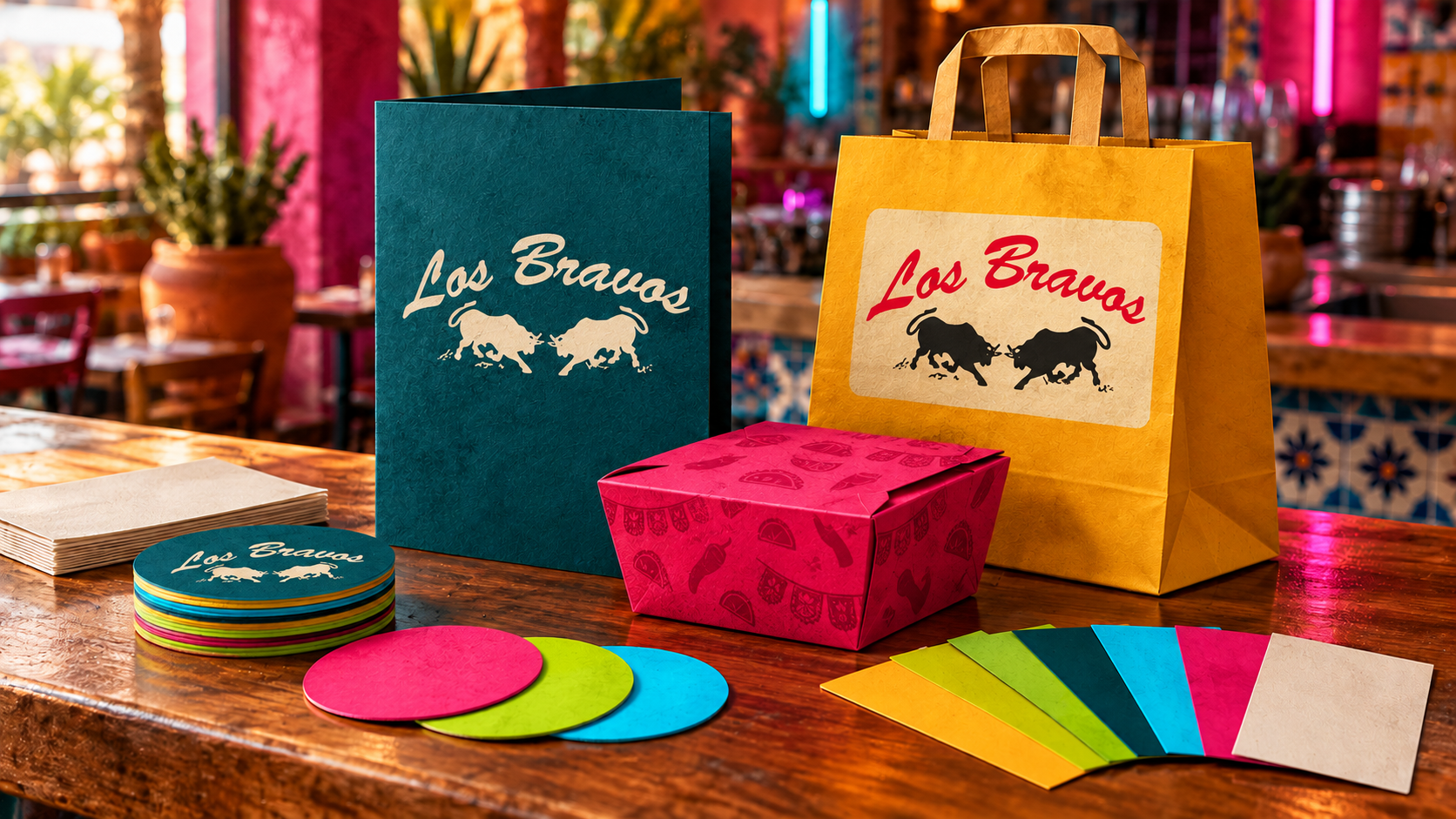
Integrating visual branding essentials involves careful selection and consistent application of logos and color palettes throughout all marketing materials and channels. Applying color theory principles ensures that your color choices align psychologically with your brand values and target audience preferences.
For example, blue often inspires trust and calmness, whereas red can invoke excitement and urgency. Typography should complement these colors and the brand’s personality, balancing aesthetics and legibility. Businesses should select primary and secondary fonts and specify use cases for headlines, body text, and accents, documented in the brand identity guide.
Moreover, establishing clear visual branding standards prevents fragmentation and strengthens brand recognition, encouraging customer loyalty and engagement.
Implementing Omnichannel Touchpoint Consistency for Maximum Brand Impact
In today’s multi-platform environment, maintaining consistent branding across all channels—online and offline—is critical. Omnichannel consistency ensures that whether customers interact with your brand via social media, website, email campaigns, physical stores, or packaging, they experience a unified and seamless brand presence.
Small businesses should audit their current touchpoints and align all visual and verbal branding elements according to the brand identity guide. This includes adapting designs appropriately to platform constraints without compromising core brand attributes. Leveraging tools like centralized digital asset management, style guides, and team training are effective ways to reinforce omnichannel consistency, which strengthens trust and fosters deeper customer relationships.
What Small Business Marketing Tactics Enhance Customer Brand Engagement?
Enhancing customer engagement requires strategic marketing tactics that foster interaction, loyalty, and brand advocacy. These strategies involve utilizing digital platforms effectively to create meaningful connections, which can influence customers to become passionate advocates for the brand.
How to Maintain Brand Consistency Across Channels for Trust and Recognition
Maintaining brand consistency is crucial for building trust with consumers. Businesses should ensure that branding elements, messaging, and customer interactions are uniform across all channels, including websites, social media, email newsletters, packaging, and physical locations. Tools like style guides, branding templates, and content calendars can help in reinforcing consistency and establishing a strong, recognizable presence.
Which Content and Messaging Strategies Boost Customer Connection?
Engaging content and clear messaging are essential for boosting customer connection. Effective strategies include:
- Storytelling: Craft narratives around the brand’s mission, values, and customer success stories to create emotional resonance.
- Personalized Marketing: Use customer data to tailor messages and offers, increasing relevance and engagement.
- Consistent Communication: Maintain regular and authentic interaction through blogs, social media, and newsletters.
- Feedback Integration: Implement surveys, reviews, and social media listening to adapt messaging based on customer preferences.
These approaches foster trust, improve brand perception and encourage word-of-mouth marketing.
How to Measure the Impact of Your Branding Strategies: Key Metrics and Growth Tracking
Measuring the effectiveness of branding strategies is vital for understanding their impact on business growth and refining approaches. Implementing key performance indicators (KPIs) enables small businesses to track progress and make data-driven decisions to optimize their branding efforts.
What Metrics Indicate Increased Brand Awareness and Customer Retention?
Several metrics can indicate improvements in brand awareness and customer retention, including:
- Social Media Engagement: Analyzing likes, shares, comments, follower growth, and sentiment provides insight into brand interaction and reach.
- Customer Feedback Rates: High levels of positive reviews, testimonials, and repeat feedback indicate strong brand loyalty and recognition.
- Website Traffic and Behavior: Metrics like increased visits, time on site, page views, and conversions reflect growing interest and engagement.
- Customer Retention Rates: Repeat purchase frequency and customer lifetime value indicate ongoing satisfaction and brand attachment.
These metrics not only help in assessing branding success but also guide future adjustments to strategies for continuous improvement.
How to Use Data-Driven Insights to Optimize Branding Efforts
Data-driven insights can significantly enhance branding efforts by identifying patterns and trends in consumer behavior. Utilizing analytics tools such as Google Analytics, social listening platforms, and CRM software allows businesses to gather detailed information on customer interactions, preferences, and market trends. This information can inform strategic choices such as:
- Refining target audience segmentation
- Tailoring marketing messages and offers
- Adjusting visual and verbal branding elements
- Improving customer experience across touchpoints
Continuously monitoring and adapting your branding strategies based on data ensures responsiveness to market changes and maximizes return on branding investment.
Why Book a Branding Consultation With Experts Like Reyal Design?
Consulting with branding experts can provide valuable insights and tailored strategies that elevate brand identity and market positioning, especially important for small business branding where resources may be limited. Such consultations offer businesses the opportunity to gain a deeper understanding of their unique challenges and opportunities, ensuring that their branding efforts are aligned with business goals and market demands.
How Customized Consultation Services Improve Your Brand Consistency and Market Positioning
Customized consultation services deliver personalized strategies that cater to the specific needs of a business. Experts analyze current branding efforts, conduct market and competitor analysis, and provide actionable recommendations designed to enhance brand consistency and market presence. This tailored approach fosters a deeper connection with the audience, ultimately driving brand loyalty and engagement while differentiating your business in crowded markets.
What to Expect During Your Branding Strategy Consultation Session?
During a branding consultation session, businesses can expect a thorough assessment of their current branding strategy, including identification of strengths, weaknesses, opportunities, and threats. Experts will guide clients through the development or refinement of a cohesive brand identity, ensuring alignment with their business goals and audience expectations. This interactive process includes:
- Discovery and research to understand the business and market
- Development of brand archetypes and positioning strategies
- Creation or evaluation of visual identity elements and brand voice
- Formulation of an actionable brand identity guide and implementation roadmap
- Recommendations on omnichannel consistency and customer engagement tactics
This process facilitates clear communication of the brand’s mission and values, paving the way for tangible improvements in market performance and sustainable growth.