

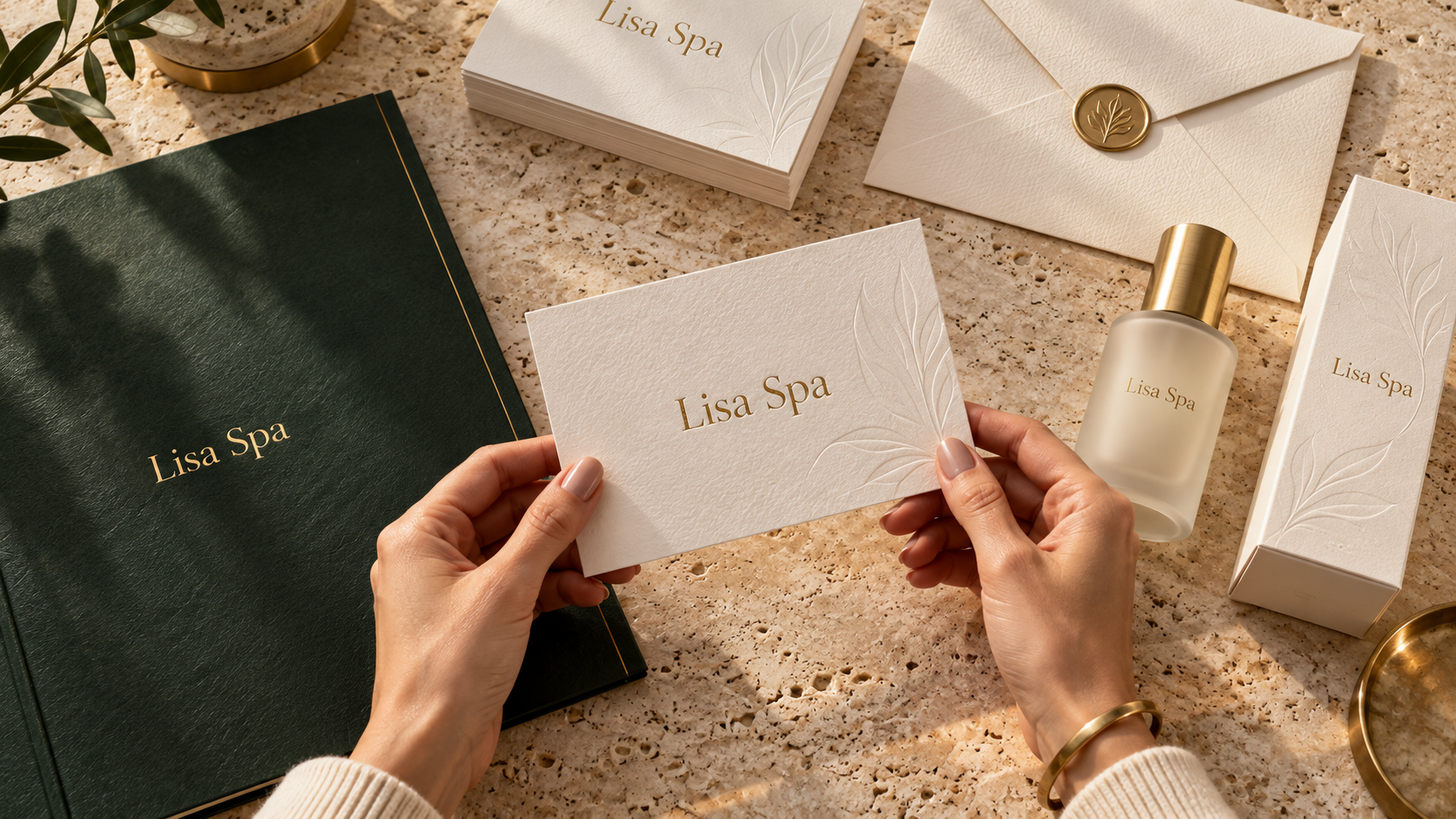
Visual branding in luxury medical aesthetics builds patient trust through deliberate design choices. Soothing color palettes, clean typography, and high-quality imagery create a welcoming environment that eases anxiety. Memorable logos and consistent branding across all platforms establish credibility and foster emotional connections. A cohesive visual identity signals professionalism and reliability to discerning clients.
Why does visual identity drive patient trust?
Visual identity shapes how patients judge a medical spa before they ever book a consultation. A practice’s logo, color palette, and typography signal professionalism and safety in a field where trust determines every treatment decision.
Patients arrive with anxiety. They are considering procedures that affect their appearance and health. Thoughtful design choices like soothing color palettes and clean typography create a welcoming environment that eases that anxiety. Visual branding plays an essential role in medical aesthetics, as it influences how patients perceive your practice and build trust. A cluttered logo or harsh color scheme sends the opposite message. It suggests disorganization and raises unspoken doubts about clinical standards.
Memorable logos and high-quality imagery do more than catch the eye. They enhance brand recognition and foster emotional connections with patients. A distinctive mark helps a practice stay top-of-mind when a prospective patient compares providers. Consistent imagery across every touchpoint reinforces that recognition. Without it, a practice blends into a sea of competitors and loses the chance to form any lasting impression.
How do design choices reduce patient anxiety?
Soothing color palettes and clean typography signal calm and control. These elements make a clinic feel less clinical and more restorative. Patients subconsciously associate order and beauty with competence.
What role does consistency play in building credibility?
Consistency across platforms establishes credibility and loyalty. When a logo, website, and social media presence all align, patients perceive a reliable operation. Inconsistency erodes that perception and introduces doubt about attention to detail.
Reyal Design brings bold ideas and a refreshingly straightforward attitude to this exact challenge. The boutique creative agency specializes in graphic design and award-winning campaigns that help medical spas build visual identities patients trust immediately.
What makes a med spa brand feel luxurious?
A luxurious med spa brand communicates professionalism, trust, expertise, and luxury while differentiating the practice from competitors offering similar treatments. The perception of luxury forms long before a patient books a consultation. Patients evaluate a practice based on its online presence, reputation, visual identity, messaging, website, social media, and overall brand experience.
Medical spa branding strategies succeed when every touchpoint reinforces the same elevated promise. A cohesive visual identity signals competence. Consistent messaging builds emotional trust. A refined website and polished social presence confirm the practice values quality in every detail.
What visual elements signal luxury to prospective patients?
Luxury lives in restraint, not excess. Clean typography, a limited color palette, and generous white space communicate confidence. High-quality photography of real treatment spaces and results matters more than stock imagery. Every design choice either reinforces credibility or quietly erodes it.
How does brand consistency influence patient trust?
Inconsistency creates doubt. When a practice’s Instagram aesthetic clashes with its website or its printed materials feel generic, patients notice the gap. A unified brand across all platforms establishes credibility and loyalty. Reyal Design specializes in industries such as medical practices, crafting compelling campaigns that help these businesses connect with target markets effectively.
The agency streamlines the marketing process to deliver top-tier strategy and creative services without the overhead of a traditional agency. For luxury med spa founders and aesthetic physicians, that means elevated branding without the bureaucratic drag of a large firm. The result is a brand that feels intentional, polished, and worthy of premium pricing.
How do you build a cohesive brand identity?
A cohesive brand identity starts with a clearly defined visual and verbal framework. Medical spa founders and aesthetic physicians build this identity by aligning every patient touchpoint under one consistent message and look.
Without that alignment, practices lose credibility. Patients encounter disjointed logos, mismatched color palettes, and conflicting messaging across platforms. That inconsistency erodes trust before a single consultation is booked. Staying ahead of competitors requires a modern, cohesive brand that resonates with the target audience, whether launching a new practice or refreshing an established one.
What elements make a brand identity feel cohesive?
Three core elements lock a brand identity into place. First, a unified visual system: logo, typography, color palette, and imagery all follow the same design rules. Second, a consistent verbal identity: the tone, vocabulary, and key messages sound the same on the website, social media, and in-clinic materials. Third, disciplined execution across every platform.
Reyal Design partners with ambitious brands to improve their presence. The company supports in-house teams and crafts experiences that are both strategic and unforgettable. Its services encompass branding and strategy development, web design and development, and social media management. That integrated approach keeps the identity intact from the first Instagram post to the treatment room signage.
Why does consistency across platforms matter for patient trust?
Patients judge credibility in seconds. A practice that looks polished on Instagram but dated on its website signals disorganization. By clearly defining brand identity and remaining consistent across all platforms, practices establish credibility and loyalty from patients. Every inconsistency chips away at the luxury perception aesthetic physicians work hard to build. A cohesive brand, executed without gaps, turns first-time visitors into long-term loyal patients.
What role does design play in conversion?
Design determines whether a visitor books a consultation or leaves. A high-converting aesthetic practice website sells outcomes and credibility. It shows real results, presents treatments and provider credentials clearly, and makes booking effortless. Without these elements, practices lose prospective patients during the critical first visit.
Trust and proof decide the booking in medical aesthetics. Featuring before-and-after galleries and provider expertise is essential for conversion. The Complete Guide to Aesthetic Practice Websites confirms that automated review collection after every visit strengthens this trust layer. Practices that skip visual proof leave revenue on the table.
How do before-and-after galleries influence patient decisions?
Before-and-after images provide the concrete evidence patients need before committing. These galleries demonstrate real outcomes and reduce perceived risk. A visitor who sees consistent, high-quality results moves closer to scheduling. Without this proof, uncertainty blocks the booking path.
Why does provider credibility matter for conversion?
Patients evaluate expertise long before stepping into a clinic. Clear presentation of credentials, certifications, and treatment philosophy builds immediate authority. Aesthetic practice website guides emphasize that showcasing provider expertise directly supports conversion. An anonymous-looking practice triggers hesitation and lost appointments.
Reyal Design approaches this challenge with medical spa branding strategies that fuse bold creative direction with conversion-focused structure. The company turns ambitious concepts into smart strategies that move the needle and the audience. Every design choice serves a dual purpose: capturing the brand’s essence while guiding visitors toward a booked consultation.
How do you refresh an existing aesthetic brand?
A brand refresh allows an established medical spa to proactively adapt to a shifting industry. The process goes deeper than updating a logo or swapping a color palette. Branding forms the foundation of how patients perceive a practice. A thoughtful refresh realigns that perception with current market realities.
Stagnant visual identities cost luxury practices more than they reveal. Prospective patients evaluate a med spa’s credibility through its online presence long before booking a consultation. An outdated brand signals complacency, pushing discerning clients toward competitors who project modern sophistication.
What signals that a med spa brand needs a refresh?
Several indicators point toward an overdue update. Declining patient retention often traces back to a brand that no longer resonates with its target demographic. Visual inconsistency across the website, social media, and physical space confuses potential clients. Aesthetic trends shift rapidly, and a practice that looked cutting-edge five years ago may now appear dated.
How does a brand refresh differ from a full rebrand?
A refresh preserves the practice’s core identity while modernizing its expression. A full rebrand discards the existing identity entirely and builds from scratch. Most established med spas benefit from a refresh that honors their reputation while sharpening their visual and strategic edge.
Reyal Design delivers brand refreshes as part of its top-tier strategy and creative services. The agency applies bold, ambitious strategies to capture the essence of a practice’s vision. Every refresh project starts with a clear-eyed assessment of what works, what feels tired, and what the market now demands.
The process typically follows a structured path:
- Brand audit examining every patient touchpoint for consistency and relevance
- Strategic realignment connecting visual identity to current business goals
- Visual system updates refining logos, typography, color palettes, and imagery
- Implementation rollout across digital platforms, print materials, and physical environments
A successful refresh strengthens patient trust without sacrificing the recognition a practice has already earned. The goal is evolution, not erasure.
Conclusion
Visual identity isn’t a luxury, it’s the foundation of patient trust in medical aesthetics. A cohesive brand executed across every touchpoint transforms first-time visitors into loyal patients while positioning a practice as credible and modern. Whether launching new or refreshing established, the path forward demands bold strategy paired with disciplined design. The practices that invest in this alignment don’t just stand out; they convert.