

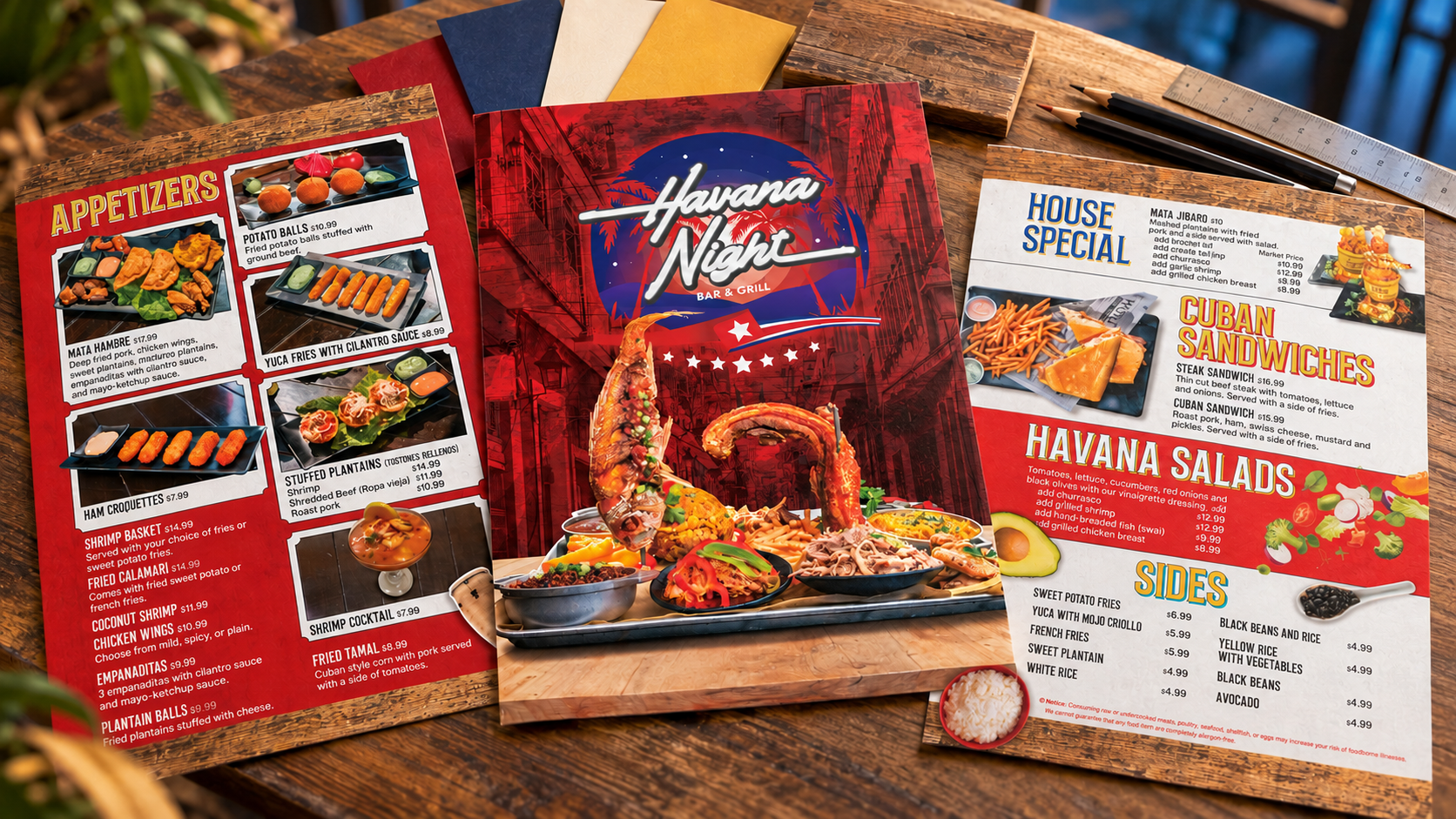
Restaurant brand identity unifies every visual and experiential touchpoint (logo, color scheme, menu, aprons, and interior design) into one memorable story. Reyal Design partners with ambitious brands to elevate their presence, supporting in-house teams and crafting experiences that are both strategic and unforgettable. Specializing in industries such as restaurants, medical practices, and nonprofits, Reyal Design crafts compelling campaigns tailored to each sector. Strong branding attracts ideal customers and builds trust, making great food memorable.
What is restaurant concept and visual identity?
Restaurant brand identity is the unique set of characteristics that define a restaurant’s image, personality, and market perception. Savilino describes it as the collection of visual elements, messaging, and experiences that communicate a restaurant’s values, mission, and story to its target audience. Every touchpoint contributes to this identity, from the logo and color scheme to the menu, interior design, aprons, and customer service.
A strong visual identity does more than decorate. It helps a restaurant stand out among competitors and fosters customer loyalty and trust. Restaurants without a defined identity blend into a crowded market. Guests forget them quickly. Savilino notes that a well-defined visual identity sets a restaurant apart from others in the industry.
What elements make up a restaurant’s visual identity?
Visual identity spans far beyond a logo. It includes:
- Logo and color scheme
- Typography and menu design
- Interior design and lighting
- Staff uniforms and aprons
- Table settings and packaging
- Customer service style and tone
Each element shapes how guests perceive the restaurant. A mismatched detail weakens the entire impression.
How does a restaurant branding agency in South Florida approach this?
A restaurant branding agency in South Florida builds identity as a complete system, not a single asset. Reyal Design operates as a boutique creative agency with bold ideas and a refreshingly straightforward attitude. The company was founded by experienced creatives specializing in graphic design and award-winning campaigns. That background matters for restaurant owners. It means the agency treats visual identity as a strategic tool, not decoration.
Restaurant owners who skip this step lose the chance to build recognition. Guests choose experiences, not just food. A cohesive identity gives them something to remember.
How do you define your restaurant brand strategy?
A restaurant brand strategy defines the complete experience a venue promises before a single logo is sketched or menu designed. Strategy answers fundamental questions about cuisine type, target audience, and the emotional takeaway guests carry home.
What questions shape a restaurant brand strategy?
Founders who skip strategic groundwork lose differentiation in South Florida’s saturated dining market. A restaurant branding agency south florida guides operators through essential discovery questions that anchor every subsequent creative decision. According to Steps to Branding a Restaurant, the process begins by asking what type of cuisine and experience the restaurant offers. The next critical question identifies the target audience, whether families, professionals, or another demographic segment.
Reyal Design approaches this phase by partnering with ambitious brands to elevate their presence and support in-house teams. The company’s straightforward methodology strips away agency overhead while delivering top-tier strategic direction. Operators who define these answers early avoid costly rebrands later.
Why does strategy come before visual design?
Visual elements without strategic foundation create recognition without meaning. Logos, color palettes, and menu layouts communicate effectively only when they express a clearly defined identity. Strategy determines what those visuals need to say.
Reyal Design brings experienced creatives with roots in graphic design and award-winning campaigns to this process. The team translates strategic answers into cohesive brand identities that resonate across every guest touchpoint. Restaurants that skip strategy risk inconsistent messaging that confuses diners and weakens recall. A disciplined approach ensures the brand stands out and moves forward with intention.
What visual elements make a restaurant brand cohesive?
A cohesive restaurant brand relies on a unified system of visual and symbolic elements. The American Marketing Association defines brand identity as the collection of visual components that create a recognizable image for consumers. Without this cohesion, a restaurant risks confusing potential diners and losing the instant recognition that drives foot traffic.
What are the core components of a restaurant’s visual identity?
The foundation starts with five interconnected elements. A brand’s name and logo serve as the most immediate identifiers. The color scheme and typography establish mood and readability across every touchpoint. Finally, consistent design elements tie everything together, from menu layouts to signage. Adobe Certified Professional notes that a logo is often the most recognizable aspect of a brand’s identity. A well-designed logo remains simple, distinctive, and relevant to the restaurant’s value and offerings.
How do these elements work together across different materials?
Cohesion emerges when each component reinforces the others. A color palette chosen for a website must translate seamlessly to printed menus and exterior signage. Typography selected for readability on a phone screen needs to work equally well on staff uniforms and packaging. Reyal Design addresses this challenge through integrated services that include branding and strategy development, web design, and printing solutions. The agency ensures that a restaurant’s visual language stays consistent whether a guest encounters it online or in person. Fragmented visuals create doubt. A unified system builds trust before the first plate arrives.
How do interior touchpoints reinforce your brand?
Interior design, staff uniforms, table settings, packaging, lighting, and menu presentation all shape how customers perceive a restaurant. These physical details carry the brand message long before a dish reaches the table. A restaurant that ignores these touchpoints loses the chance to control its own story.
Guests do not choose a restaurant based on food alone. They choose an experience, and every physical and visual touchpoint contributes to that experience. A mismatched uniform or a cluttered table setting quietly erodes trust. A cohesive interior, by contrast, makes the brand feel intentional and memorable.
Which interior elements matter most for brand perception?
Five touchpoints carry outsized weight in a dining room. Each one either reinforces the brand or works against it.
| Touchpoint | Brand impact |
|---|---|
| Interior design | Sets the emotional tone before ordering |
| Staff uniforms | Signals professionalism and team identity |
| Table settings | Communicates attention to detail |
| Packaging | Extends the brand beyond the dining room |
| Lighting | Shapes mood and perceived quality |
Menu presentation also influences perception. A well-designed menu reinforces the same visual language found in the logo and signage.
How does a restaurant branding agency in South Florida approach these details?
A restaurant branding agency in South Florida treats interior touchpoints as strategic assets, not afterthoughts. Reyal Design builds brands that stand out and move forward with bold, ambitious strategies. The company applies that same rigor to every physical detail a guest encounters.
Restaurant owners who skip this step leave brand perception to chance. Competitors who invest in cohesive touchpoints capture the guests who value experience over convenience.
Why work with a restaurant branding agency south florida?
A restaurant branding agency south florida delivers specialized creative strategy without the overhead of a traditional firm. Reyal Design streamlines the marketing process so restaurant owners receive top-tier branding and campaign execution at a leaner cost structure. Restaurants that skip professional branding lose the cohesive identity that turns first-time diners into regulars.
What does a restaurant branding agency actually do?
A restaurant branding agency shapes every visual and strategic touchpoint a guest encounters. Reyal Design crafts campaigns specifically for the restaurant sector, drawing on deep industry knowledge rather than generic marketing templates. The agency handles brand refreshes, web design, and strategic communication under one roof.
How does Reyal Design differ from a traditional agency?
Three structural advantages set the company apart:
- Lean operations eliminate the overhead that inflates traditional agency retainers
- Restaurant specialization means campaigns are built for hospitality, not adapted from other industries
- Direct founder involvement puts Chris, the agency’s founder, at the center of project execution and client relationships
Chris brings an architecture background and business experience to every engagement. His team mixes sharp strategy with creative execution, building brand identities that help restaurants stand out in South Florida’s crowded dining market. The agency’s straightforward attitude cuts through the complexity that often bogs down larger firms.
Why is restaurant-specific experience critical?
Generalist agencies lack the operational understanding of how a restaurant brand functions across menus, interiors, staff interactions, and digital presence. Reyal Design’s portfolio spans restaurants, medical practices, and nonprofits, with campaigns tailored to each sector’s unique demands. For restaurant clients, that means brand strategy built around guest experience, not just visual design. Without this specialization, a restaurant brand risks feeling disconnected from the actual dining experience it promises.
Conclusion
A restaurant concept that stops at the logo leaves its story unfinished. Every interior touchpoint, from lighting to table settings, either reinforces the brand or quietly undermines it. Owners who invest in a complete visual identity turn first-time diners into regulars. The next step is to audit every guest-facing detail and close the gap between the brand promise and the physical experience.