

By Content team at Reyal Design, Reyal Design
A well-executed website redesign can significantly enhance a growing business’s online presence, improving user experience and reflecting its evolving brand identity. In this comprehensive guide, readers will learn about the essential processes, signs indicating a need for a redesign, and strategic steps to follow when upgrading their website. Many businesses face challenges like outdated designs, poor user experience, and misaligned branding, which ultimately impact their growth and market share. This article will explore the critical timing indicators for a redesign and the steps necessary to integrate effective branding and marketing strategies. Additionally, we will discuss the importance of SEO and performance optimization in supporting redesign efforts, equipping businesses for the journey ahead.
When Should Growing Businesses Consider a Website Redesign? Key Signs and Timing Indicators
Recognizing the right time to redesign a website is essential for its overall effectiveness and alignment with business goals. Several signs indicate that a redesign might be necessary for a growing business.
What user experience and technology factors signal a needed redesign?
User experience is paramount in maintaining customer satisfaction and engagement. If a website exhibits the following issues, it is likely time for a redesign:
Poor User Engagement: If users frequently leave the site without interacting, it may signal that the content or design is unappealing.
Outdated Technology: A lack of mobile optimization or compatibility with modern browsers can deter potential customers.
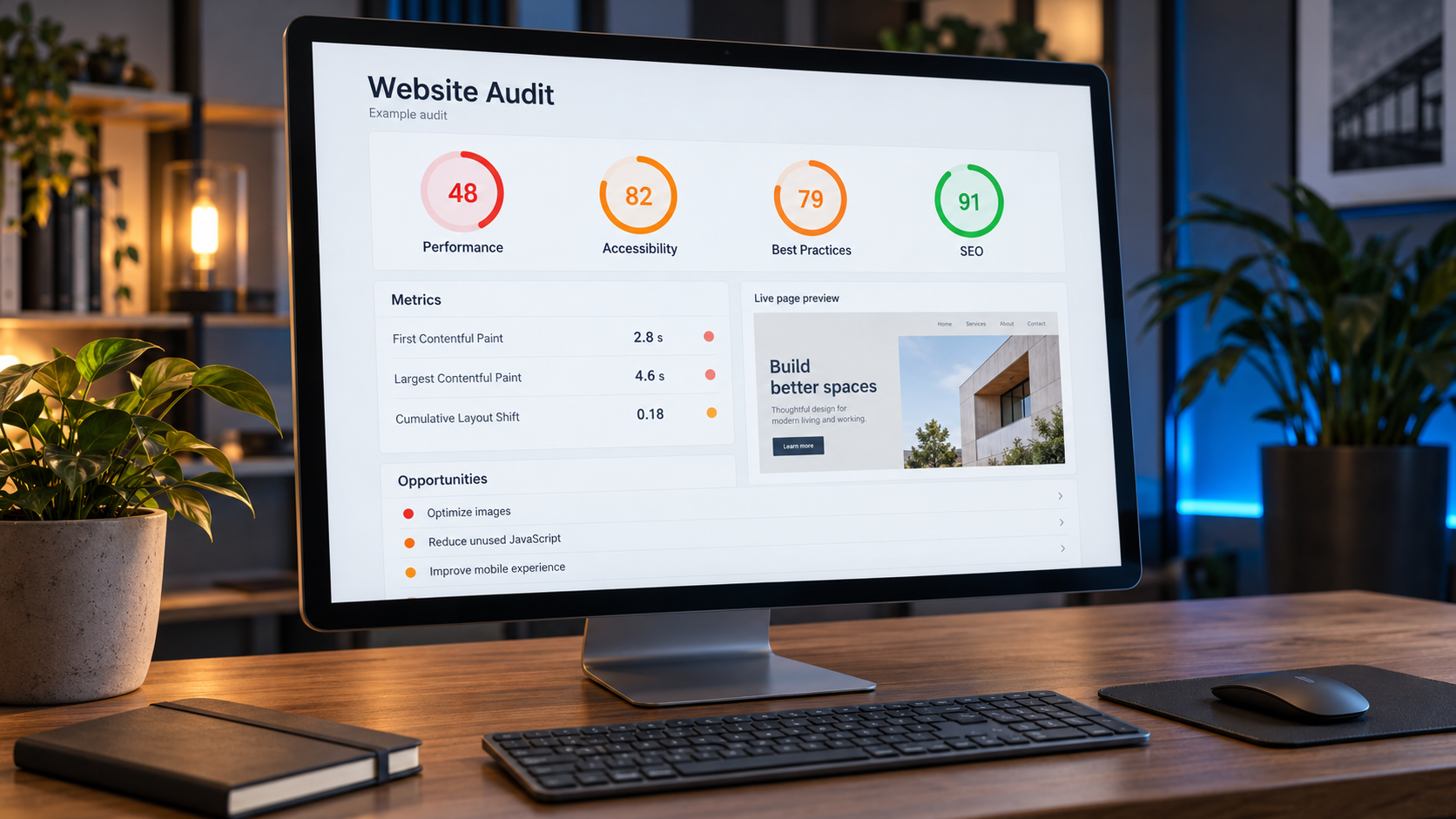
Slow Load Times: If a site takes long to load, visitors are likely to abandon it, impacting conversion rates.
Improving these elements through a redesign can significantly boost a website’s performance and user retention.
How does branding and business growth impact redesign timing?
Brand evolution tracking is vital for businesses looking to maintain relevance. As businesses grow, their branding may also evolve; hence, aligning the website with the current brand identity is crucial.
Strategic Timing: A redesign may be timely when launching new products or services, reflecting the business’s current market positioning.
Branding Misalignment: An existing website that does not reflect updated brand aesthetics or messaging can confuse potential customers.
Partnering with a design agency for a comprehensive strategy can streamline this transition.
What Are the Essential Steps in the Website Redesign Process for Growing Businesses?
Effective planning and execution are critical for a successful website redesign process. Here are the fundamental steps involved.
How to plan and strategize your website redesign effectively?
The initial phase of a redesign should focus on clear goal-setting and strategic planning, involving:
Defining Redesign Goals: What do you aim to achieve with the redesign? Increased traffic, better engagement, or higher conversions?
Identifying Target Audience: Understanding who will use the site facilitates tailored content and design choices.
Budget Considerations: Establish a realistic budget to guide the redesign process.
By laying a solid foundation, businesses can enhance their website’s effectiveness.
What roles do wireframing, content audits, and testing play in redesign?
Wireframes serve as critical tools in outlining the site’s structure before implementation begins. The roles include:
Importance of Wireframes: Creating visual representations allows teams to identify necessary changes before investing in final designs.
Conducting Thorough Content Audits: Reviewing existing content ensures all valuable elements are retained and optimized during the redesign.
Testing Strategies: After implementation, conducting usability tests reveals areas needing improvement and ensures the site meets user expectations.
Utilizing these steps can lead to a well-rounded and user-friendly website.
How to Integrate Branding and Marketing Strategies into Your Website Redesign?
Aligning branding with the redesign process is fundamental for coherence across all customer touchpoints.
Why is aligning branding essential during a redesign?
A cohesive brand presence is crucial for fostering customer trust. Key benefits of alignment include:
Maintaining Customer Trust: Consistency strengthens brand loyalty, making customers more likely to return.
Building Brand Recognition: A well-aligned website enhances recognition and bolsters overall brand identity.
Carefully integrated branding will utilize current market trends to create an impactful user experience.
What marketing elements should be incorporated in the redesign checklist?
A comprehensive redesign should include essential marketing elements such as:
SEO Considerations: Implement on-page SEO strategies during the redesign to improve search visibility.
Content Strategy Intersection: Ensure that the site’s content is not only engaging but also optimized for relevant keywords.
Social Media Integration: Incorporating links to social platforms enhances audience engagement and provides additional content sharing avenues.
These marketing strategies will help optimize the website for better engagement and visibility.
What SEO and Performance Optimization Steps Should You Include in Your Website Update Checklist?
SEO and performance optimization are critical aspects of a successful redesign, ensuring the site is competitive in search rankings and provides a seamless user experience.
How to optimize your redesigned website for search engines and speed?
Implement the following SEO best practices during your redesign:
On-page SEO Techniques: Optimize title tags, meta descriptions, and image alt texts for target keywords.
Site Speed Optimization Techniques: Minimize file sizes, leverage browser caching, and explore content delivery networks (CDNs) to enhance loading times.
These steps can drastically improve a site’s performance and search engine ranking.
Which metrics and tools help measure redesign success and SEO impact?
To evaluate the impact of the redesign, businesses should track metrics such as:
Measuring User Engagement and Retention: Utilize tools like Google Analytics to monitor visitor interactions and behavior patterns.
Analyzing Organic Traffic Changes: Track the flow of organic traffic pre- and post-redesign to assess SEO effectiveness.
These metrics will inform ongoing optimization and adjustment strategies.
How Can Growing Businesses Book Consultations and Kick Off Their Website Redesign Projects?
Engaging with a professional can simplify the redesign process considerably. Here’s how businesses can start.
What are the benefits of personalized consultation services for redesign planning?
Consultation services can provide several advantages, including:
Tailored Redesign Strategies: Experts can create custom strategies aligning with a business’s specific goals and target audience.
Expert Insights into Market Trends: Design professionals often have access to industry insights that can inform effective redesign decisions.
These benefits help businesses navigate the complex landscape of website design.
How to prepare for and start your redesign project smoothly?
Preparation is key to a successful redesign. Important steps include:
Defining Goals Clearly: Establish specific objectives to guide the project effectively.
Gathering Necessary Documentation: Compiling all relevant materials, including existing branding guidelines, can streamline the process.
By following these steps, businesses can set up for an efficient and effective redesign project.