

By Content team at Reyal Design, Reyal Design
In the fast-evolving digital landscape, staying ahead of web design trends is essential for brands seeking to enhance their online presence and engagement. As technology advances, the expectation for seamless user experiences (UX) and responsive design continues to grow. This article will delve into key web design trends that will influence brand strategies in 2026, emphasizing the importance of effective UX and responsive solutions. Readers will understand the mechanisms that drive successful branding through insightful design practices. As companies grapple with challenges in user engagement and retention, this guide will provide practical solutions to enhance their web presence. Together, we will explore the top design trends, emerging UX techniques, and the metrics that measure their impact on brand success.
What Are the Top Web Design Trends Influencing Brand Strategy in 2026?
The primary web design trends shaping brand strategies in 2026 center around user experience and responsive solutions. As users increasingly prioritize accessibility and performance, web designers must adapt to these evolving demands. Trends include enhanced personalization, compelling visual storytelling, and the integration of innovative interactive features. Brands that embrace these elements can drive conversions and strengthen their online identity. A focus on user-centered design not only enhances engagement but also fosters customer loyalty, aligning closely with emerging market expectations.
How Does User Experience Design Drive Branding Outcomes?
User experience (UX) design plays a crucial role in shaping how users perceive a brand. By prioritizing elements such as navigation, page load speed, and aesthetic appeal, brands can significantly influence customer satisfaction and loyalty. When a website offers a smooth, intuitive experience, users are more likely to engage with the content and return for future visits. Research shows that brands implementing effective UX design often experience increased conversion rates, highlighting its impact on overall branding outcomes. Moreover, case studies reveal that businesses focusing on UX design consistently outperform competitors in customer engagement metrics.
Professional frameworks provide essential guidance for organizations looking to standardize these impactful design methodologies.
Modern UX Frameworks: Principles for Building Successful Digital Brands The landscape of digital product design has seen major changes as companies increasingly acknowledge the vital importance of structured user experience approaches. Modern software development practices focus on creating core design principles that steer decision-making throughout product lifecycles. Ux principles for modern ui/ux design and their measurement: A framework for digital product excellence, 2025
Why Is Responsive and Mobile-First Design Essential for Modern Brands?
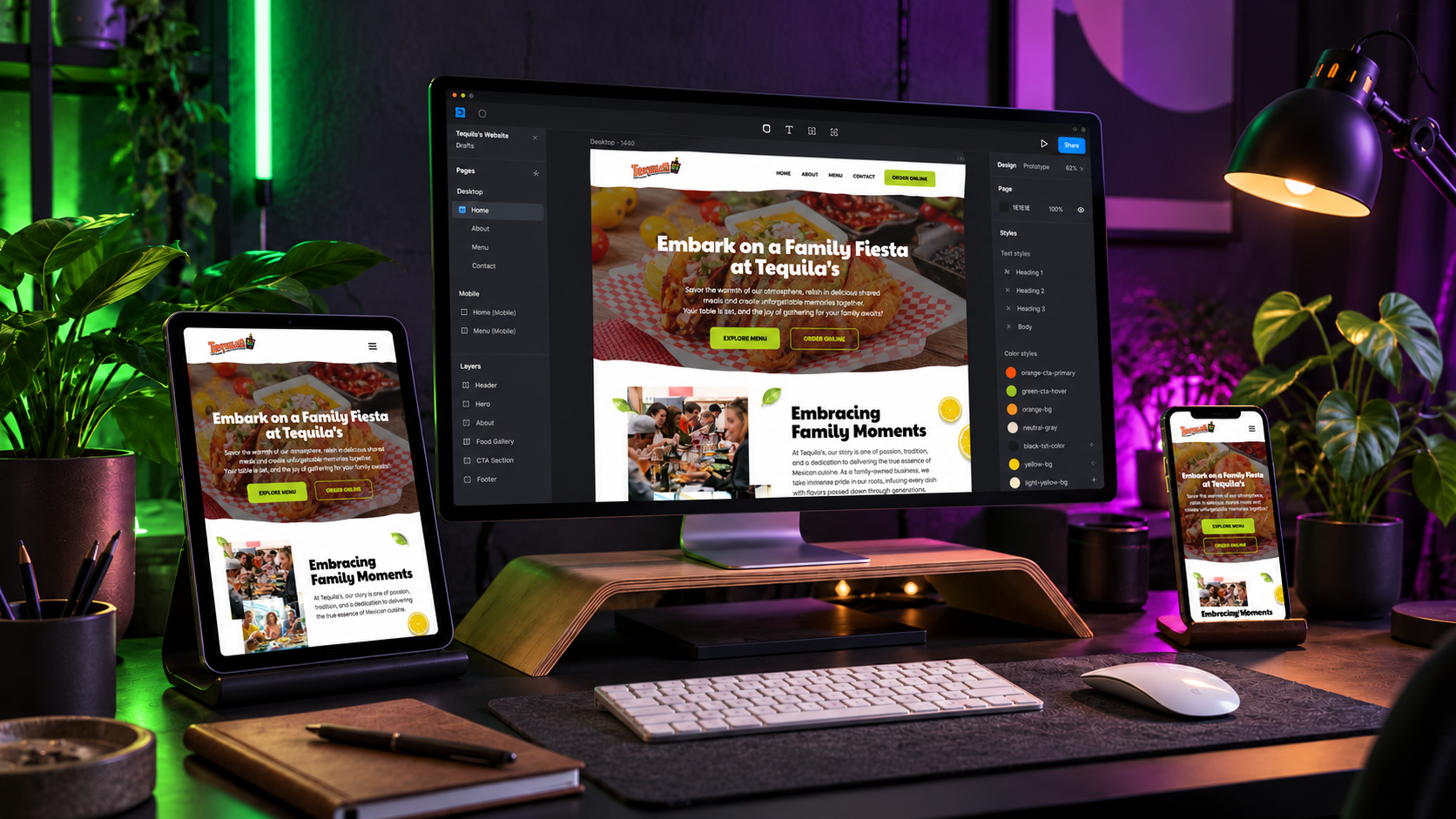
Responsive and mobile-first design is no longer optional but a necessity for modern brands. With the growing prevalence of mobile device usage, brands must ensure their websites function seamlessly across all platforms. Responsive design adapts web layouts to different screen sizes, enhancing usability regardless of the device used. Brands that embrace this approach can capture a larger audience and improve customer retention. Analysis indicates that mobile-first design not only supports a better user experience but also boosts SEO performance, making it a strategic imperative for businesses aiming for long-term success.
Which Emerging UX Design Techniques Enhance Brand Engagement?
As digital environments become more competitive, brands must leverage emerging UX design techniques to stand out. Interactive elements such as gamification, dynamic content, and micro-interactions are gaining traction as effective tools to enhance user engagement. By making interactions more engaging and enjoyable, brands can create memorable experiences that keep users returning. Furthermore, employing design psychology principles can further improve usability and foster emotional connections with users. These innovative strategies can effectively enhance brand positioning in increasingly saturated markets.
What Are the Best Practices for Creating Interactive Web Elements?
Creating engaging interactive web elements requires a thoughtful approach grounded in user experience principles. Best practices include ensuring user-friendly navigation, incorporating feedback loops such as hover effects, and using rich media to draw attention. For example, utilizing animations can educate users while maintaining their interest. As brands begin to implement these practices, they’ll find that the time spent on site increases, which correlates directly with higher conversion rates. Incorporating interactive elements can significantly improve user engagement and brand loyalty.
How Does Design Psychology Influence User Perception and Brand Loyalty?
Design psychology examines how visual cues and interactions influence user behavior and perceptions. Brands that understand the psychological principles behind design can effectively create websites that resonate with their audiences. For example, utilizing color theory can evoke specific emotions and help convey brand messaging. Moreover, implementing consistent visual elements fosters familiarity and trust, crucial for user retention. Case studies suggest that brands leveraging design psychology see measurable improvements in customer loyalty and overall satisfaction.
How Can Responsive Web Design and Mobile-First Approaches Boost Brand Success?
Responsive web design and mobile-first strategies are pivotal in aligning brand success with modern user expectations. A website’s responsiveness ensures that it provides an optimal viewing experience, reducing bounce rates and improving engagement. Moreover, mobile-first design principles advocate for developing websites specifically for mobile users first, ensuring that the most critical experiences are prioritized. This approach not only enhances usability but also drives efficiency in web development. As brands adopt these practices, they position themselves to leverage increased audience reach and higher conversion rates.
What Are the Key Responsive Design Principles for Cross-Device Compatibility?
Key responsive design principles include fluid grids, flexible images, and CSS media queries to ensure web content adapts effectively to various screen sizes. Fluid grids involve using proportional units rather than fixed units, allowing designs to scale. Flexible images that resize within their containers prevent overflow and maintain visual integrity. Lastly, CSS media queries determine how content should render depending on different device characteristics, optimizing the user experience across platforms. By following these principles, brands can enhance user engagement and retain customers on diverse devices.
How Does Mobile-First Design Improve Usability and Customer Retention?
Mobile-first design improves usability and customer retention by prioritizing mobile experiences in the design process. By focusing on the essential elements of a site for mobile devices, brands can streamline navigation and minimize loading times. This user-centric approach not only makes websites more accessible but also caters to consumer behavior favoring mobile browsing. Multiple studies indicate that brands focusing on mobile usability see significantly improved customer retention rates and overall user satisfaction, underscoring the importance of this design philosophy in current market trends.
Why Is Accessibility and User Inclusivity a Crucial Trend for Brand Strategy?
Accessibility and user inclusivity in web design are increasingly vital as brands aim to reach broader audiences. Implementing accessible design ensures that all users, including those with disabilities, can navigate and engage with a website effectively. This commitment to inclusivity not only reflects positively on a brand’s image but also expands its market reach. Moreover, accessible design aligns with growing consumer expectations for corporate social responsibility, making it essential for forward-thinking brands. By embracing accessibility, companies can cultivate a loyal customer base while enhancing their overall market presence.
Integrating inclusive design practices is a strategic imperative that benefits the entire user population while strengthening brand authority.
Integrating Accessibility: A Strategic Approach to UX and Brand Success The benefits of accessibility-first engineering extend beyond compliance to enhance user experience, expand market reach, improve technical quality, and foster brand loyalty by ensuring that digital products are usable by the widest possible audience. Accessibility in Mobile and Web-Engineering for Compliance and Inclusion, J Davis, 2025
How Can Accessible Design Expand Brand Reach and Engagement?
Accessible design broadens brand reach by ensuring that a larger audience can engage with web content. Initiatives, such as using alt text for images and designing navigable layouts for screen readers, improve access for users with disabilities. This not only promotes inclusivity but also enhances user experience for everyone’s benefit. Brands that prioritize accessibility often see positive shifts in customer perceptions and brand loyalty, as consumers increasingly favor companies that demonstrate social responsibility.
Which Accessibility Standards Should Brands Implement in Web Design?
Brands should implement the Web Content Accessibility Guidelines (WCAG) as a fundamental standard for accessible web design. Key recommendations include ensuring sufficient color contrast, providing text alternatives for non-text content, and enabling keyboard navigation. By adhering to these guidelines, brands can create a more inclusive online environment that meets regulatory compliance while enhancing the user experience for everyone. Consequently, incorporating these standards not only reaffirms a brand’s commitment to accessibility but also fosters greater user engagement and loyalty.
What Metrics Demonstrate the Impact of Design Trends on Brand Engagement?
Measuring the impact of design trends on brand engagement requires tracking relevant metrics tied to user interaction and satisfaction. Key performance indicators (KPIs) such as conversion rates, bounce rates, and average session durations are vital in assessing the effectiveness of design strategies. Notably, brands may use specific metrics to gauge customer feedback and satisfaction levels, providing invaluable insights for ongoing improvements. Furthermore, a commitment to data-driven design adjustments often leads to substantial gains in overall brand engagement and customer loyalty.
How Do Case Studies Reveal Business Outcomes From Trend Adoption?
Case studies present compelling evidence of the positive business outcomes stemming from the adoption of innovative design trends. For instance, companies that redesigned their websites to enhance UX reported a dramatic increase in user engagement and conversion rates. These documented outcomes highlight the importance of investing in modern design practices to achieve substantial returns. Analysis of historical design trends also underscores the effectiveness of adopting responsive and inclusive design strategies to stay ahead of competitors and meet evolving consumer expectations.
Which KPIs Effectively Track UX, Responsiveness, and Branding Success?
Key performance indicators (KPIs) that effectively track UX, responsiveness, and branding success include Net Promoter Score (NPS), Customer Satisfaction Score (CSAT), and User Engagement Score (UES). NPS measures customer loyalty by gauging the likelihood of them recommending the brand to others. CSAT provides direct feedback on user satisfaction following specific interactions. Meanwhile, UES quantifies user interactions with web elements, offering insights into engagement levels. Regularly monitoring these KPIs helps brands refine their design strategies, reinforcing their market positioning through data-informed decisions.
How Can Businesses Implement These Web Design Trends with Expert Consultation?
To successfully implement identified web design trends, businesses should consider booking consultation services to align their design strategies with brand goals. Expert consultations provide tailored advice on best practices, ensuring that client needs and market trends are effectively addressed. By collaborating with experienced web design agencies, brands can enhance their design processes, leading to more effective engagement strategies. This partnership approach enables brands to optimize their online presence, striking a balanced alignment with current and future consumer expectations.
What Are the Benefits of Customized Web Design Consultation Services?
Customized web design consultation services offer numerous benefits, including tailored strategies that meet specific business needs and objectives. These services often lead to improved design aesthetics, user experiences, and brand messaging that resonate with target audiences. Additionally, working with experienced professionals often results in faster project turnaround times and increased efficiency throughout the design process. As brands recognize these advantages, many are turning to expert consultants to elevate their web design initiatives.
How to Book a Consultation to Align Web Design With Brand Strategies?
Booking a consultation to align web design with brand strategies is straightforward. First, businesses should outline their goals and prepare key questions to guide the discussion. Next, reaching out to specialized design agencies is essential; many provide straightforward onboarding processes that facilitate initial consultations. Following this, companies can expect tailored recommendations and actionable strategies that align design with overarching business objectives. Engaging with expert consultants not only streamlines the design process but also maximizes the impact of web strategies on brand success.